
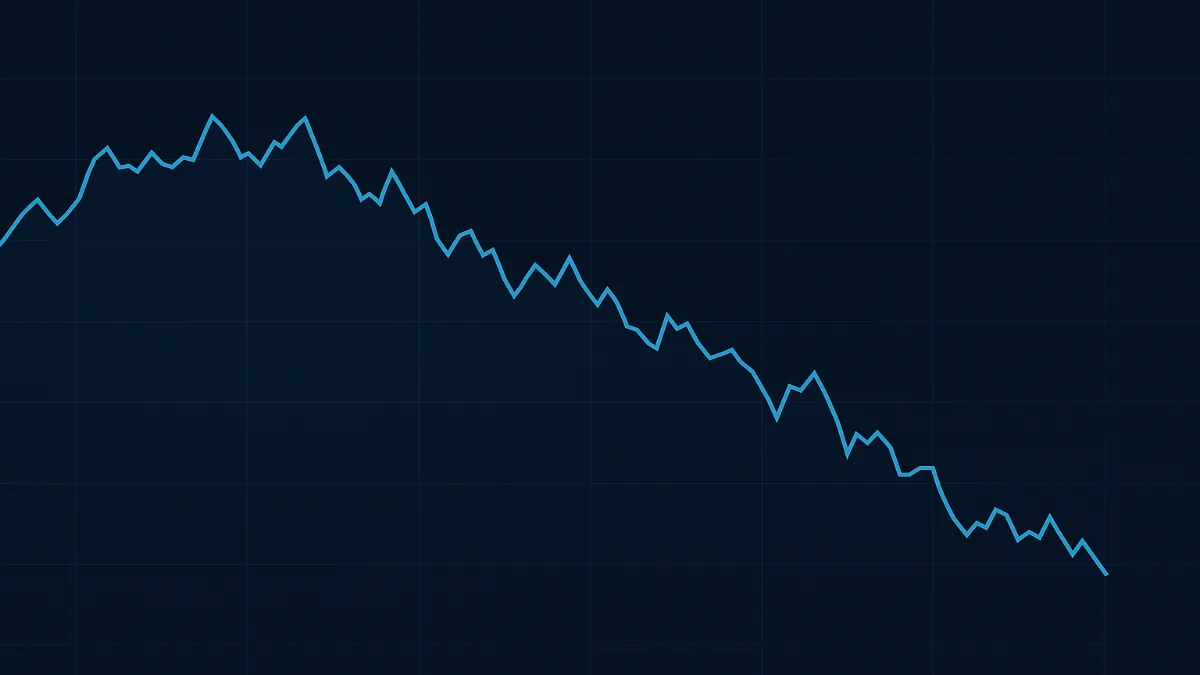
The 30-year Treasury yield drops to 4.955%, backing away from the critical 5% threshold that analysts have been watching closely. This movement marks a shift in bond market sentiment as investors respond to mixed economic signals and ongoing policy uncertainty.
30-Year Treasury Yield Drops Amid Investor Caution
Over the last month, the yield retreated from a recent high of 5.154%, driven by lower inflation expectations and hopes for softer Federal Reserve action. According to bond strategist Alfonso Peccatiello, “The market is recalibrating risk; yields are adjusting to a more cautious outlook.”
The current bond coupon stands at 4.75%, with a maturity date set for November 15, 2054. This week’s yield traded between 4.855% and 4.966%, highlighting volatility in long-term borrowing rates.
JUST IN: U.S. 30-year Treasury yields continue to move away from the 5 percent level, now down to 4.955 percent.
— crypto++ (@cryptoplusplus1) July 14, 2025
Expert Commentary Points to Broader Trends
Peccatiello added, “The bond market seems to be revolting again,” referencing investor concern about long-term inflation and government debt levels. While some analysts see the dip as temporary, others believe it reflects a deeper shift in portfolio strategy toward safer assets.
Historically, the 30-year yield has ranged from 2% after the 2008 crisis to over 15% in the early 1980s. Today’s level sits above the long-term average of 4.74%, indicating relatively strong demand despite macroeconomic headwinds.
30-Year Treasury Yield Jumps to 4.96% despite “Solid” Auction, Long End of Yield Curve Steepens, Mortgage-Rate Spread Historically Wide.
Bond market’s reaction to the inflationary environment, to fears of a lax Fed, and to a Mississippi River of new debthttps://t.co/GXZpS5Gsxx pic.twitter.com/32xNkkchBG— Wolf Richter (@wolfofwolfst) July 13, 2025
What This Means for Investors and Policy Watchers
As the 30-year Treasury yield drops, investors may pivot toward bond-heavy portfolios. Lower yields mean higher bond prices, which benefit holders of long-term government debt. However, the drop also signals caution: slower growth or tightening fiscal conditions could be behind the shift.
For retail savers and mortgage seekers, this trend could translate into stabilizing interest rates in the coming months. Watch for Fed updates and consumer price index data to guide future movements.
