
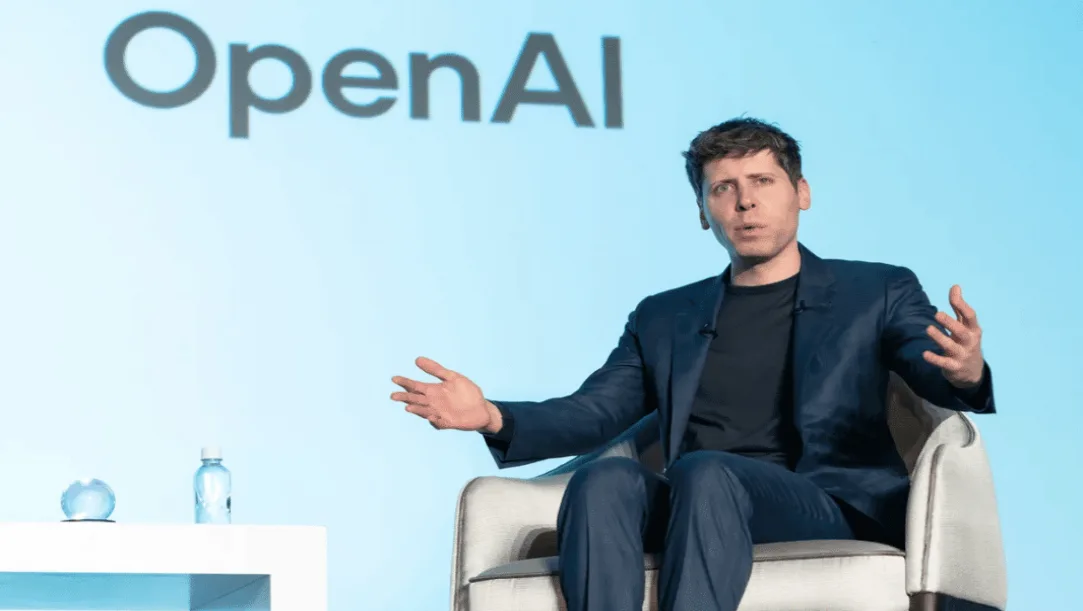
What is OpenAI’s new valuation after stock sale?
OpenAI is reportedly preparing a $6 billion secondary stock sale, which could push its valuation to a staggering $500 billion, according to Wired. This would make OpenAI the most valuable private company globally, overtaking SpaceX ($350 billion) and ByteDance ($300 billion).
The valuation surge reflects the explosive growth of generative AI, with ChatGPT reaching over 180 million users and OpenAI’s API usage crossing 2 billion calls per month.
Why is OpenAI more valuable than SpaceX?
While SpaceX leads in aerospace innovation, OpenAI’s software-first model offers higher margins and faster scalability. Analysts estimate OpenAI’s annual revenue could exceed $3.4 billion by end of 2025, driven by enterprise subscriptions, API licensing, and Microsoft integrations.
In contrast, SpaceX’s revenue—largely from satellite launches and Starlink—is projected at $2.5 billion, but with significantly higher operating costs.
Who is investing in OpenAI’s stock sale?
The $6 billion offering is structured as a secondary sale, allowing early employees and investors to liquidate shares. Major backers include Microsoft, which has invested $13 billion and embedded OpenAI models across Copilot, Azure, and Office 365.
Other potential participants include Tiger Global, Sequoia Capital, and sovereign wealth funds from the Middle East and Asia.
What does this mean for the future of AI?
If OpenAI hits the $500 billion mark, it will surpass the valuations of Visa ($470B), ExxonMobil ($480B), and Samsung ($490B)—placing it just behind Meta ($550B) and Tesla ($580B) in global tech rankings.
Experts predict this could trigger a wave of AI IPOs, regulatory scrutiny, and competitive investment in startups focused on multimodal models, autonomous agents, and synthetic data.
