
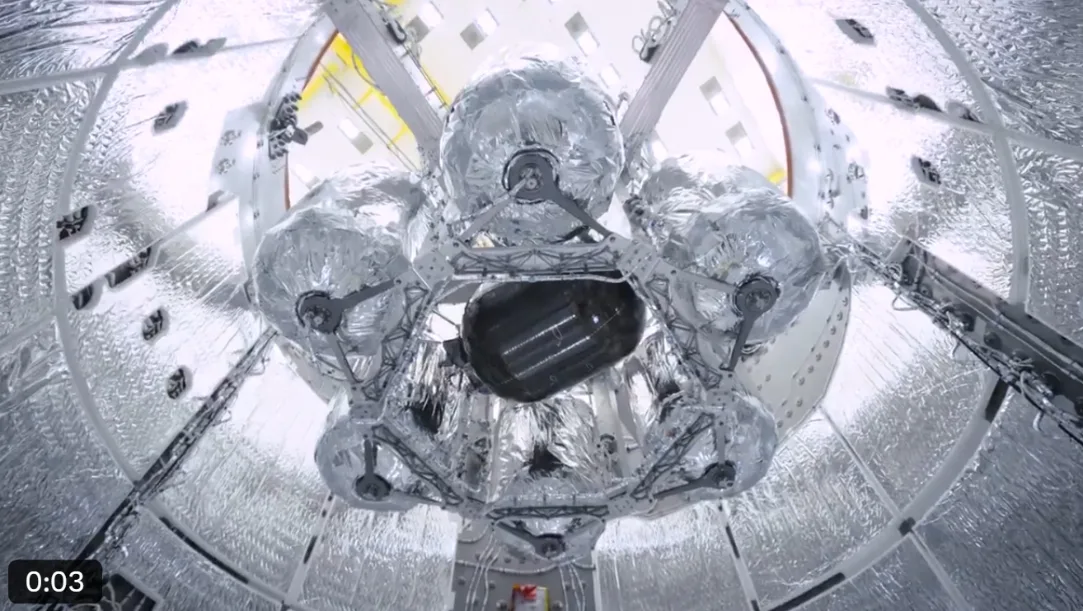
International Space Station, Aug. 24, 2025 — In a rare and technically significant maneuver, SpaceX’s Dragon spacecraft will conduct a series of engine burns while docked to the International Space Station (ISS), directly contributing to the station’s altitude maintenance.
The burns will be carried out using two Draco engines housed in Dragon’s modified trunk section and powered by an independent propellant system, separate from the spacecraft’s main propulsion. SpaceX shared the update on its official X (formerly Twitter) account, emphasizing the operational autonomy and precision of the setup.
“While docked, Dragon will perform a series of burns to help the @Space_Station maintain its current altitude, using an independent propellant system and two Draco engines in the spacecraft’s modified trunk,” the company posted.
Traditionally, altitude boosts — known as reboosts — are handled by Russian Progress cargo ships or the station’s own thrusters. This maneuver underscores how commercial spacecraft are evolving beyond cargo and crew transport roles to become active participants in station‑keeping operations.
The International Space Station orbits Earth at an altitude of roughly 400 kilometers (250 miles). Over time, atmospheric drag causes gradual orbital decay, making periodic boosts essential to maintain stability and prolong the outpost’s operational life.
While docked, Dragon will perform a series of burns to help the @Space_Station maintain its current altitude, using an independent propellant system and two Draco engines in the spacecraft’s modified trunk pic.twitter.com/suIdBQivUr
— SpaceX (@SpaceX) August 24, 2025
SpaceX’s demonstration of in‑dock propulsion could pave the way for similar contributions by other commercial vehicles, especially as the ISS partners look ahead to replacing aging infrastructure and transitioning toward privately operated orbital platforms.
A video shared alongside the announcement offers a visual reference for the maneuver, showing comparable Draco burns from past Dragon missions. The footage highlights the precision control and thrust power that make this reboost possible without detaching from the station — a move that saves time and minimizes operational complexity.
Key implications of the test include:
- Adding redundancy to ISS propulsion capabilities
- Showcasing Dragon’s versatility as a multi‑role spacecraft
- Strengthening commercial participation in critical orbital operations
The maneuver is expected to take place during Dragon’s current docked mission window, with mission controllers closely monitoring thrust performance and ISS stability throughout the burns.