
New Delhi, September 13, 2025 — Former Tibetan Prime Minister-in-exile Lobsang Sangay has raised serious concerns over China’s growing influence in South Asia, specifically accusing Chinese Embassy officials in Nepal of direct interference in the country’s internal matters.
In a wide-ranging interview with ANI, Sangay warned that Beijing’s expansionist agenda is not limited to border disputes but extends deep into the political fabric of neighboring nations.
“The Most Powerful Embassy in Kathmandu”
Sangay claimed that the Chinese Embassy in Kathmandu is now perceived by many as more influential than even the Indian or American embassies. “Some of my friends say it’s the most powerful in Kathmandu,” he remarked, pointing to increasing diplomatic overreach and political maneuvering by Chinese officials in Nepal.
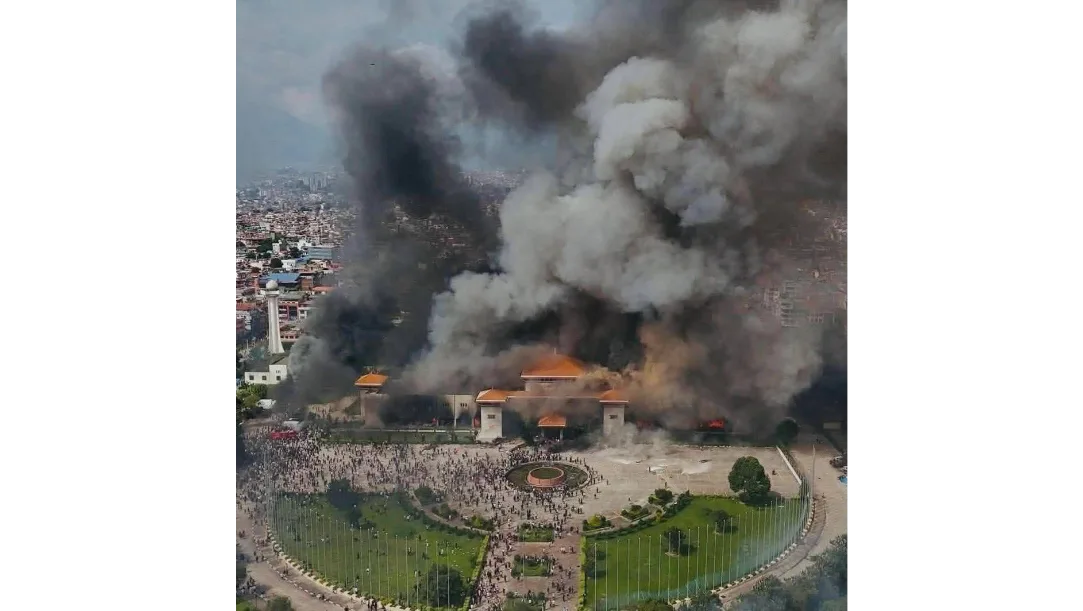
LMFAO, that vlogger went to Nepal on vacation and ended in the middle of their revolution and ended up documenting the whole thing😂.
He became a celebrity over there apparently pic.twitter.com/LWR2PHI7KW
— Devchart 👨🏻💻 (@devchart) September 12, 2025
He cited Nepal as a clear example of how China’s influence is reshaping local governance, echoing similar patterns in Bhutan, Bangladesh, and Sri Lanka. “They come inside your own house,” Sangay said, describing China’s strategy of embedding itself in domestic affairs through diplomatic channels.
A Warning from Tibet’s Experience
Sangay emphasized that the world must learn from Tibet’s fate. “What happened to Tibet will happen to you if you don’t understand and study Tibet,” he cautioned, urging nations to recognize the long-term risks of unchecked Chinese influence.
He also interpreted President Xi Jinping’s visits to Tibet as strategic signals aimed at India, given the region’s proximity and military relevance. Sangay alleged that speeches delivered during these visits were targeted at India’s defense posture, even if transcripts were withheld for diplomatic reasons.
Regional Implications and India’s Role
Sangay argued that South Asia should be India’s domain, but China’s growing footprint—from Galwan to Doklam and across the LAC—suggests a deliberate effort to sideline India’s regional influence. He warned that China’s ambition to become the dominant power in Asia hinges on keeping India a “distant number two”.
https://twitter.com/sakinkalcam/status/1966742823929053420
Despite these concerns, Sangay advocated for dialogue and diplomacy, noting that Tibetans still seek peaceful resolution with the Chinese government. However, he stressed that engagement must be approached with caution, given China’s opaque intentions and history of coercion.
As a Buddhist and former refugee, Sangay spoke emotionally about the Tibetan diaspora’s bond with India. “India is our home,” he said, recalling the warmth and cultural connection he feels every time he returns. “Biryani khaana hai, dosa khaana hai, momo khaana hai — baad sab kuch chalega,” he added with a smile.