
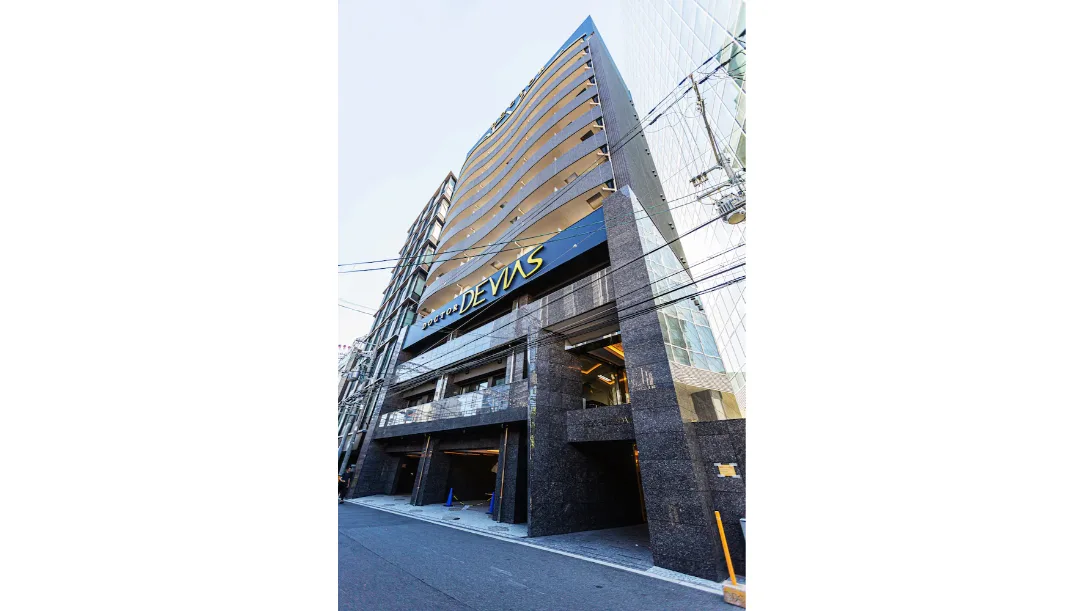
As Japan’s inbound tourism hits record highs—over 3.2 million foreign visitors in August alone—Osaka Prefecture finds itself at the center of a growing debate over minpaku private lodging services.
These short-term rentals, often located in apartment buildings and approved under Japan’s National Strategic Special Zone system, are now facing scrutiny from local residents and municipal leaders.
Locals Raise Concerns Over Noise, Trash & Tourist Behavior
Residents in Osaka have voiced frustration over the behavior of some foreign guests staying in minpaku facilities. Complaints range from improper trash disposal, late-night noise, and overcrowding, sparking calls for tighter regulations.
Osaka Mayor Considers Suspension of New Private Lodging Permits: Osaka Mayor Hideyuki Yokoyama said on September 18th that the city is considering halting new applications for so-called special zone minpaku, or private lodging businesses, in response to… https://t.co/837GMRSK0e
— News On Japan (@newsonjapan) September 19, 2025
A recent Osaka City survey found that 42% of residents living near minpaku units reported disturbances linked to tourist behavior.
The issue gained political traction during the July Upper House election, where candidates from both ruling and opposition parties addressed the downsides of deregulated lodging services.
Governor Yoshimura Considers Suspension of New Minpaku Approvals
At a press conference on July 22, Osaka Governor Hirofumi Yoshimura announced that he is considering halting new applications for special zone minpaku facilities.
“Many new hotels are being built,” Yoshimura said. “I’m speaking with Mayor Hideyuki Yokoyama about a possible suspension.”
Osaka began accepting minpaku applications in 2016 to meet rising lodging demand. Today, the city hosts 6,696 out of Japan’s 7,091 special zone minpaku facilities—over 94% of the national total.
Municipal Pushback: Neyagawa & Others Seek Exit
Several municipalities, including Neyagawa, have formally requested to withdraw from the program.
Neyagawa Mayor Keisuke Hirose stated that minpaku services do not align with the city’s vision as a residential hub.
An Osaka prefectural survey revealed that 7 municipalities plan to reject future applications and exit the special zone system altogether.
These include Yao, Sakai, and Kadoma, citing concerns over livability and community disruption.
Political Divide & National Implications
The minpaku debate has exposed political fault lines:
- A Liberal Democratic Party candidate warned of the growing number of facilities run by non-Japanese residents, calling for stricter oversight.
- A Nippon Ishin no Kai candidate emphasized the need to regulate what the party helped promote, acknowledging local backlash.
The Osaka city government has formed a task force to review zoning rules and may restrict areas eligible for minpaku operations.
Tourism vs. Livability: What’s Next?
While Osaka continues to benefit from record-breaking tourist arrivals—up 18% year-over-year—the prefecture now faces the challenge of balancing economic growth with community well-being.
The Osaka Prefectural Government is expected to hold talks with the central government to revise the minpaku program based on local feedback. Potential changes may include:
- Limiting minpaku licenses to designated commercial zones
- Requiring front desk presence or local management oversight
- Imposing guest behavior guidelines and stricter enforcement
