
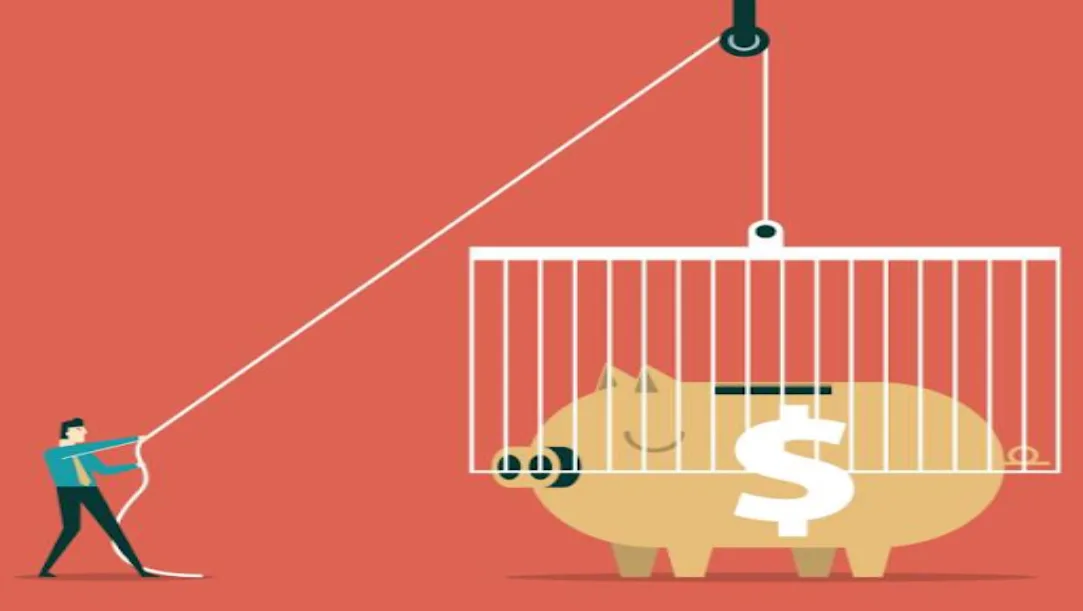
Saving money used to be simple. You opened a savings account at the nearest bank, deposited your income and used it for everything from paying bills to buying groceries. But financial life today is more complex.
People now divide their savings across goals, automate recurring payments, invest regularly and use multiple apps to stay in control. One account is no longer enough and one way of banking is no longer ideal. That is where digital savings accounts come in.
This is not just a shift in platform. The account type reflects a shift in how people want to manage their money. If you still rely only on a regular savings account, it is worth understanding what a digital account can offer and why it may suit your lifestyle better.
Open Anytime, Without Paperwork or Delays
Opening a traditional savings account often means visiting a branch, submitting physical forms and waiting for activation. This does not fit easily into modern routines. A digital savings account lets you complete the process online in minutes. With Aadhaar, PAN and a short video KYC, you get full access without needing to step outside your home.
This flexibility helps people who work full-time, manage households or live in smaller towns where bank visits involve travel. You save both time and effort, without compromising on security.
One Account Can No Longer Do Everything
Families today save with purpose. One account is for daily expenses, another for rent, another for long-term goals. A digital savings account makes it easy to separate these without the cost burden of multiple traditional accounts. Most digital accounts offer zero balance features and do not charge monthly maintenance fees.
You can create a separate online savings account for your child’s school fund or healthcare expenses without mixing it with daily use money. This kind of clarity helps you to avoid accidental overspending and to stay consistent with your savings plan.
Earn Higher Interest on Idle Funds
While traditional savings accounts still offer 2.5% to 4% interest in most cases, several digital savings accounts offer returns between 6% and 7% depending on the balance amount and the bank’s policies. This makes a significant difference when you are parking large sums, especially for emergency funds or short-term goals.
You do not need to take risks in the stock market or move money into long-term instruments just to earn more. A digital savings account helps your funds grow passively while remaining accessible.
Cut Unnecessary Charges and Save More
Regular accounts often come with hidden charges that impose penalties for not maintaining a minimum balance, fees for branch-based services or annual card charges. These amounts may appear small but tend to add up across the year.
Digital accounts are typically designed to reduce or eliminate such costs. You do not pay extra for statements, fund transfers or customer support. Many banks also issue free virtual debit cards, which means you save on both issuance and replacement costs. For those managing monthly household budgets or fixed incomes, these savings are meaningful.
Banking That Keeps Up with Your Routine
The modern saver pays bills online, sends money through UPI, checks account balances frequently and expects instant access. A digital savings account meets these expectations. You can transfer funds, schedule payments or open fixed deposits from your mobile phone.
If you are managing household expenses, sending money to dependents or simply trying to stay organised, this accessibility matters. You do not need to wait for banking hours or navigate slow in-branch processes. Every task can be completed in real time.
Security Measures That Offer Real Protection
A key concern with online banking is safety. Digital savings accounts are protected through multiple layers, biometric login, OTP-based transaction approval, real-time alerts and device tracking. You can lock or block your card from the app, change limits or even disable international use.
These features offer practical control, especially when you are responsible for dependents or using shared devices. You know immediately if something seems off and you have the ability to act without delay.
Additional Value with Every Use
Digital savings accounts often come with practical extras. Cashback on bill payments, discounts through the debit card or integration with investment products can make everyday use more rewarding. Some apps allow automatic transfers into savings or even micro-investments that build over time without conscious effort.
If you already use digital payments for groceries, shopping or travel, a digital account fits seamlessly into your life. You get more from what you are already doing.
A Stronger Fit for the Way You Save Today
Most people now use mobile apps to shop, recharge, invest and communicate. If your banking still depends on physical locations, forms or fixed timings, there is a clear mismatch. A digital savings account helps you to keep your finances in sync with the rest of your life.
It gives you access, better returns, fewer fees and greater clarity. Whether you are supporting a family, planning future goals or trying to stay better organised, the benefits are clear.
Conclusion
You may already have a savings account, but that does not mean it meets your current needs. With rising digital adoption and evolving financial responsibilities, it makes sense to reassess how you bank. A digital savings account offers flexibility, speed and value that traditional accounts often lack.
It is not about switching for the sake of trend. It is about choosing an option that respects your time, grows your money and supports your goals without adding to your workload. If your financial life has grown in complexity, your bank account should match that pace.
