
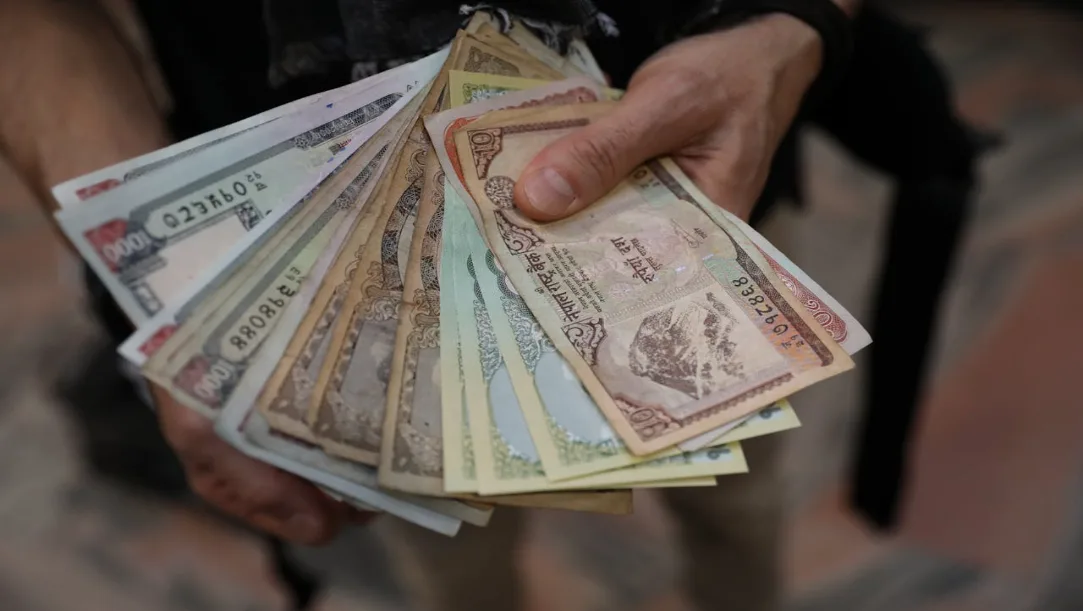
The currency printing shift reflects both economic and political considerations, including disputes over territorial maps featured on new notes.
Historic Dependence on India
Since 1945, Nepal relied on India to print its banknotes, with Nashik’s Security Press producing currency until 1955.
Even after that, India continued to manage parts of Nepal’s currency supply until 2015. The partnership was seen as a symbol of close economic ties between the two neighbors. However, rising costs and political sensitivities began to strain the arrangement.
China Secures Multi-Million Dollar Contracts
In recent years, China has steadily gained ground in Nepal’s currency printing. According to Nepal Rastra Bank, CBPMC has won seven consecutive bids to print banknotes, earning nearly $63 million for supplying approximately 2.38 billion pieces of currency.
The latest contract involves 430 million pieces of the Rs 1,000 denomination, valued at $16.985 million. Officials confirmed that the Chinese company was selected as the lowest evaluated bidder.
Political Sensitivities in Currency Design
Nepal’s new banknotes feature disputed territories—Lipulekh, Limpiyadhura, and Kalapani—as part of its national map.
Printing such notes in India would have been politically sensitive, given the ongoing border disputes. As one analyst explained, “It was not just about cost; it was about asserting sovereignty.” This design choice made China a more acceptable partner for Nepal’s central bank.
Regional and Global Implications
The move highlights China’s growing influence in South Asia’s financial infrastructure. By controlling a major part of the global currency printing supply chain, Beijing strengthens its economic ties with smaller nations.
According to NDTV, Nepal’s decision reflects both affordability and strategic alignment, as the country seeks to balance relations between its two powerful neighbors.
