
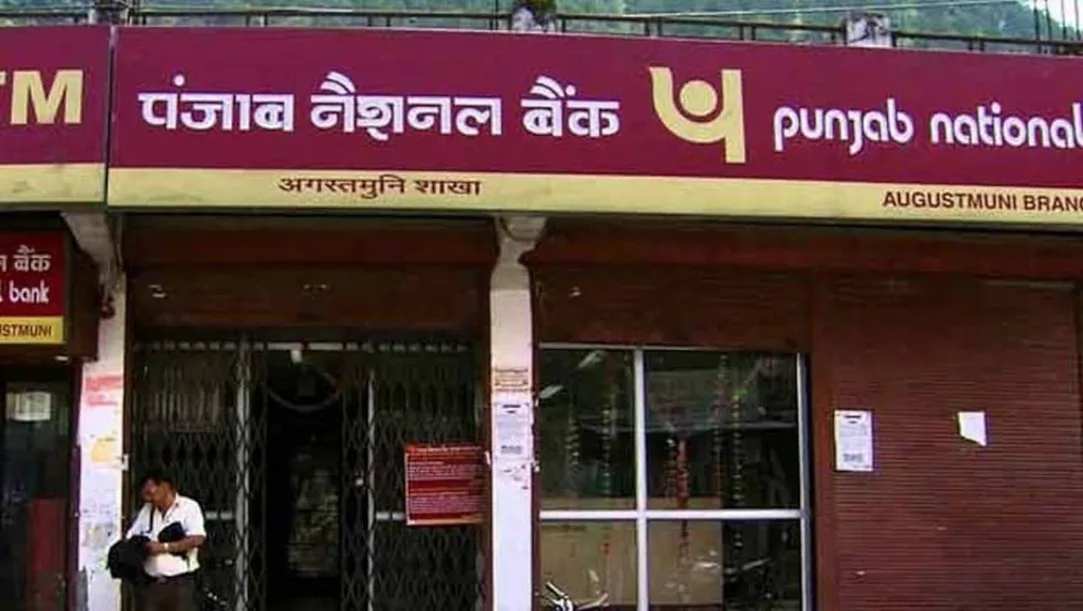
On December 26, 2025, Punjab National Bank (PNB) sent shockwaves through the financial sector by formally notifying the Reserve Bank of India (RBI) about a massive PNB reports Rs 2,434 crore of borrowal fraud. This high-profile case involves the erstwhile promoters of SREI Equipment Finance Limited (SEFL) and SREI Infrastructure Finance Limited (SIFL). As the state-run lender moves to clean its books, the disclosure highlights ongoing efforts to hold former management accountable for alleged financial mismanagement and irregularities.
Forensic Audit Triggers PNB Reports Rs 2,434 Crore Borrowal Fraud
The decision to classify these accounts as fraudulent did not happen overnight. In fact, a detailed forensic audit conducted by KPMG exposed a web of questionable transactions. The audit pointed toward “connected party” lending and the potential “evergreening” of loans, where fresh credit is issued to hide existing defaults. Consequently, the PNB reports Rs 2,434 crore borrowal fraud stems from specific exposures: ₹1,240.94 crore linked to SREI Equipment Finance and ₹1,193.06 crore related to SREI Infrastructure Finance.
While the SREI group has been under the Insolvency and Bankruptcy Code (IBC) process since 2021, this new fraud report adds a fresh layer of legal complexity. The National Asset Reconstruction Company Ltd (NARCL) acquired the distressed entities in late 2023, but the latest findings specifically target the actions of the original promoters during their tenure. Despite these challenges, PNB remains proactive in its regulatory compliance and risk mitigation strategies.
Financial Impact and Provisioning Strategy
To safeguard its balance sheet, the bank has already taken decisive financial steps. Specifically, the bank confirmed it has made 100% provisions against the entire outstanding amount of ₹2,434 crore. This means the potential loss is fully accounted for, ensuring that the PNB reports Rs 2,434 crore borrowal fraud does not disrupt the bank’s current profitability or capital adequacy ratios. According to The Economic Times, this provisioning aligns with the bank’s cautious approach toward legacy non-performing assets (NPAs).
Furthermore, PNB’s recent quarterly performance shows resilience despite these legacy issues. The bank reported a 14% rise in standalone net profit, reaching ₹4,904 crore for the September quarter of FY26. By addressing these fraudulent accounts now, the lender aims to improve its net NPA ratio, which recently touched a record low of 0.36%. Transitioning from a state of vulnerability to one of transparency, the bank continues to cooperate with the RBI and other investigative agencies to recover whatever assets remain.
Ultimately, this case serves as a stark reminder of the rigorous oversight currently being applied to the Indian banking system. As the RBI reviews the forensic evidence, the focus will remain on whether these funds can be traced back to the former promoters or if they are permanently lost to the insolvency process. For now, PNB is moving forward with a cleaner slate and a stronger focus on future growth.
