
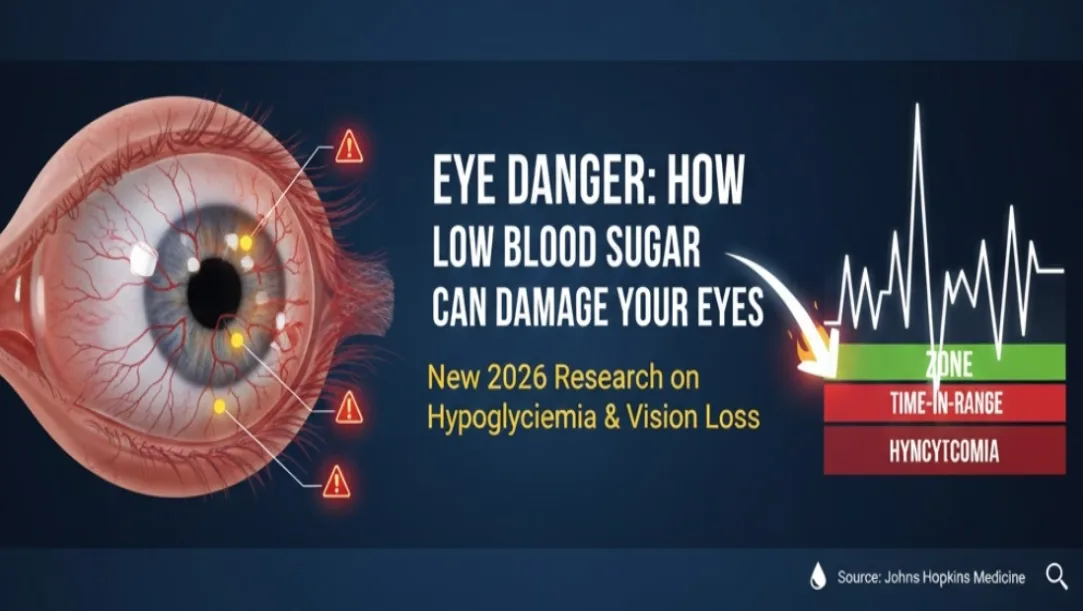
On January 1, 2026, medical experts are highlighting a critical health warning: low blood sugar can damage your eyes just as severely as high glucose levels. While doctors have long focused on the dangers of hyperglycemia, new findings from leading research institutes confirm that hypoglycemia is a silent contributor to vision impairment. According to several clinical studies, these fluctuations in glucose levels can lead to irreversible retinal changes if not managed correctly.
How Low Blood Sugar Can Damage Your Eyes Over Time
The biological mechanism behind how low blood sugar can damage your eyes involves a specific protein known as hypoxia-inducible factor (HIF). When glucose levels drop below a healthy threshold, the retina enters a state of distress. This trigger causes the HIF protein to accumulate, which subsequently stimulates the overgrowth of fragile, leaky blood vessels in the back of the eye. Consequently, these leaky vessels can cause swelling and scarring, leading to permanent blind spots or complete vision loss.
Recent data indicates that patients with frequent “hypo” episodes are roughly 3.5 to 4.8 times more likely to develop advanced diabetic retinopathy. Furthermore, statistics show that nearly 35% of individuals with long-term diabetes will face some form of eye complication. While high sugar remains a primary concern, the sudden drops—often seen in patients trying to maintain “tight control”—create a unique metabolic stress that the eyes cannot easily handle.
Protecting Your Vision from Hypoglycemia Risks
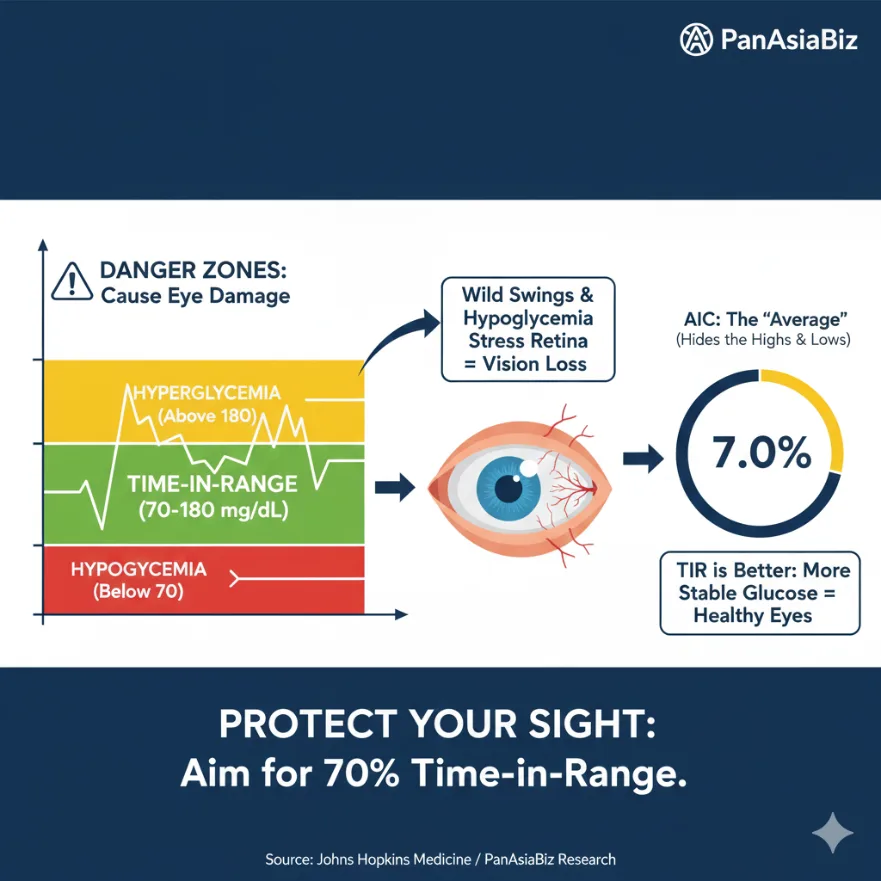
Understanding that low blood sugar can damage your eyes is the first step toward better preventative care. Experts now recommend focusing on “time-in-range” rather than just looking at a single A1C average, as A1C can hide dangerous peaks and valleys. As one prominent researcher stated, “Maintaining a stable glucose environment is the cornerstone of preserving retinal health.” Therefore, avoiding the “rebound effect” of swinging between low and high sugar is essential for long-term sight.
According to Johns Hopkins Medicine News, researchers have even identified experimental drugs that might eventually block the damaging proteins triggered by low sugar. Until these treatments are available, monitoring remains the best defense. In conclusion, ensuring that your glucose levels do not dip too low is just as vital as keeping them from climbing too high. By prioritizing stability, you can effectively reduce the risk that low blood sugar can damage your eyes.
