
Galaxy Book 6 Haptic Touchpad Design and Size
Early reports indicate that Samsung increased the touchpad surface area by 15% compared to last year’s model. By removing the physical hinges required for mechanical clicks, engineers moved the input area closer to the keyboard, providing more room for multi-touch gestures. The glass surface now features a specialized oleophobic coating to reduce fingerprints while maintaining a smooth glide. Users can also customize the “click” intensity through the Samsung Settings app, a feature that closely mirrors Apple’s Force Touch technology.
Internal testing suggests that these new haptic motors provide a more uniform response, regardless of where a finger is pressed. Mechanical touchpads often feel stiff at the top and loose at the bottom, but the Galaxy Book 6 offers a consistent tactile feel across its entire surface. This change addresses a long-standing complaint from premium laptop buyers who found previous Windows trackpads lacking in precision.
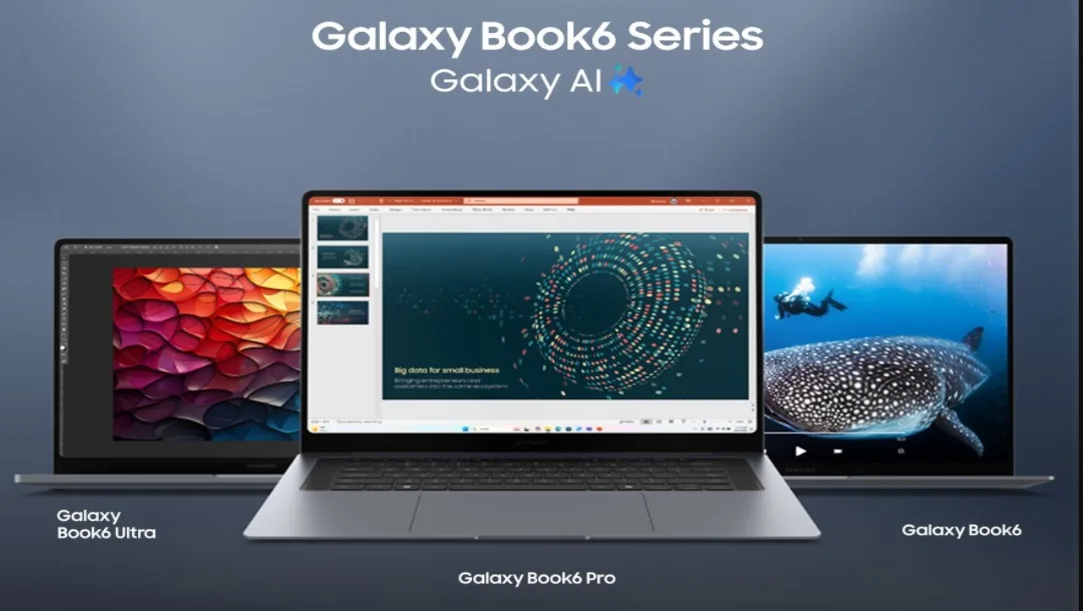
💻 Samsung has unveiled the Galaxy Book 6 series at CES 2026, calling it the most advanced Galaxy Book lineup yet. The range includes the Galaxy Book 6, Book 6 Pro, and Book 6 Ultra, with a strong focus on performance, AI, and premium design.
• Powered by Intel Core Ultra… pic.twitter.com/qaRr2EhzOI
— SamMobile – Samsung news! (@SamMobiles) January 5, 2026
Samsung vs MacBook Pro Trackpad Performance
Samsung aims to lure creative professionals away from the Apple ecosystem by integrating this hardware with its broader Galaxy ecosystem. The haptic engine syncs with the S-Pen and Galaxy smartphones, providing subtle vibration cues when windows snap into place or when a file finishes transferring. According to SamMobile, the South Korean tech giant partnered with top-tier haptic specialists to ensure the “fake” click feels indistinguishable from a physical one.
Industry analysts expect the Galaxy Book 6 to launch in three sizes, with the Ultra model receiving the most advanced version of this sensor. “Samsung is finally prioritizing the tactile interaction points that define a premium laptop experience,” noted one lead hardware reviewer during the leak. With a 240Hz polling rate, the touchpad promises near-zero latency, making it ideal for detailed photo editing and navigation. This move signals a broader trend in 2026 where Windows OEMs are standardizing high-end haptic technology to compete for market share.
