
Malaysia can suit travellers who want one itinerary that still feels varied. In a single holiday, it may be possible to move between Malay, Chinese, and Indian cultural zones through local areas, heritage streets, and places of worship, often with short transfers. For travellers flying from India, this mix can add depth without turning the trip into constant travel days.
This article breaks down the three cultures, the destinations that showcase them, and how Malaysia tour packages can be planned for smooth sightseeing.
Understanding Malaysia’s Three Core Cultures
Malaysia’s cultural mix is often easiest to spot in the places travellers actually visit: old-town streets, religious sites, local markets, and food areas. Knowing what to expect helps with visit timings, suitable clothing, and respectful behaviour at sites.
Malay Culture: The Heart of Malaysia
Malay influence may be noticed through respectful behaviour in public spaces and a more reserved tone around religious spaces. Visits to mosques and heritage areas can run more smoothly when planned around opening hours and quieter periods. Travellers may also see traditional design patterns in public spaces and craft-focused shopping zones, which can fit neatly into a light sightseeing trip.
Chinese Influence: Commerce, Temples, and Heritage Towns
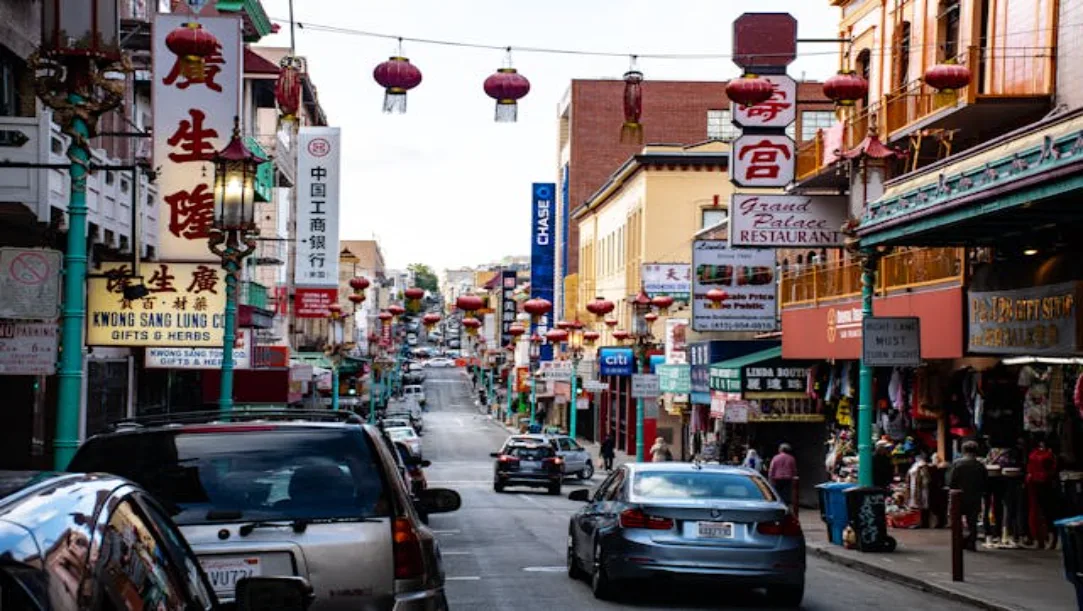
Chinese heritage can be seen in older trading streets, temples, and community buildings that still shape local daily life. These areas are best explored on foot because many details on the streets can be missed if you move too fast. During festive periods, entry flow and crowd levels may change, so earlier timings and short buffers can help keep the day steady.
Indian Culture: Spirituality, Colour, and Celebration
Indian cultural presence may be experienced through Hindu temples, local shopping streets, and seasonal celebrations that increase local footfall. Temple visits can be easier with simple preparation, such as appropriate clothing, footwear rules, and extra time for queues. Travellers from India may notice familiar customs, alongside local variations in how sites are managed and visited.
Destinations That Showcase All Three Cultures
Specific destinations can make multicultural travel easier because cultural zones sit close together and transport links are reliable. This supports a balanced itinerary, especially for family travel.
Kuala Lumpur: A Cultural Microcosm
Kuala Lumpur can work as a base because different parts of the city are easy to reach with a short travel time. A day plan can combine a heritage walk, a place of worship stop, and a market visit, with breaks timed to manage heat and crowds. Well-marked attractions and museums can also suit travellers who prefer clear interpretation alongside sightseeing.
Penang: Where History and Culture Intersect
Penang is often visited for its walkable heritage areas where cultural influences show up in architecture, commerce, and religious landmarks. Because much of the experience is on foot, pacing matters: shorter walking routes, planned breaks, and earlier starts can help you feel less tired. This destination can suit travellers who want detail and slower observation rather than constant hopping between stops.
Malacca: Living History of Cultural Fusion
Malacca may suit travellers who prefer compact sightseeing routes, with several heritage spots within a small area. With sensible timing, it can feel like an organised heritage stop that does not overwhelm the itinerary.
How Malaysia Tour Packages Blend These Cultures
Itineraries that focus on culture usually balance variety with travel comfort, so the day does not feel rushed or scattered.
- Plan each day around one or two nearby city areas to avoid going back and forth and to save time in traffic.
- Set clear visiting windows for religious sites, including dress expectations, footwear rules, and photography guidance.
- Use walking routes in old towns where lanes are tight and short stops add value without extra transport.
- Keep transfer times manageable by choosing accommodation with easy access to transport corridors and key attractions.
- Mix indoor and outdoor stops to handle heat, rain, and peak-hour crowd build-up more comfortably.
- Place meal breaks in culturally distinct areas so dining supports the day’s theme without long detours.
- Add buffer time for queues, security checks, and slow pedestrian streets, especially on weekends and holidays.
Food As the Ultimate Cultural Experience
Food planning can support cultural travel because dining areas often reflect the culture of the local area. A well-timed meal break can also improve trip flow by avoiding rushed eating between sights. Travellers may find days feel easier when meals are placed after walking and before longer transfers. For visitors with dietary preferences, checking suitable options in advance can prevent delays during peak lunch and dinner periods.
Festivals and Cultural Events You May Experience
Festivals can make local areas look more colourful and lively, but they can also change opening hours, increase traffic, and bring bigger crowds. If travel dates fall during major celebrations, a flexible schedule helps manage travel and visit timings.
- Hari Raya Aidilfitri: Some areas may feel busier, and operating hours for specific venues can change.
- Chinese New Year: Decorative streets and higher footfall in specific areas can slow local travel during peak hours.
- Deepavali: Indian cultural zones may see more shoppers and visitors, so earlier visits can be more comfortable.
- Thaipusam: Processions and devotional activity may affect routes near key temple areas, so transfer planning matters.
- Wesak Day: Buddhist sites may have higher visitor numbers, making entry timing important for queue management.
Why Choose a Cultural-Focused Malaysia Tour Package
A culture-led itinerary can be easier to follow because stops are linked by theme, location, and travel times that are easy to manage. This approach can reduce stress by keeping walking routes logical and limiting long cross-city transfers.
For travellers with tight leave windows, a focused plan may help cover heritage sites and religious landmarks while still leaving space for rest. Travellers comparing regional options, including Cambodia tour packages, may also prefer a single-country route that still offers strong cultural variety across one trip.
Conclusion
A three-culture trip in Malaysia can feel more rewarding when days are built around neighbourhood flow, respectful site access, and sensible pacing. Malay, Chinese, and Indian influences may be experienced through heritage streets, religious sites, and dining zones, often within the same destination. With clear routes and well-planned time slots, the trip can stay informative, smooth, and comfortable.
