
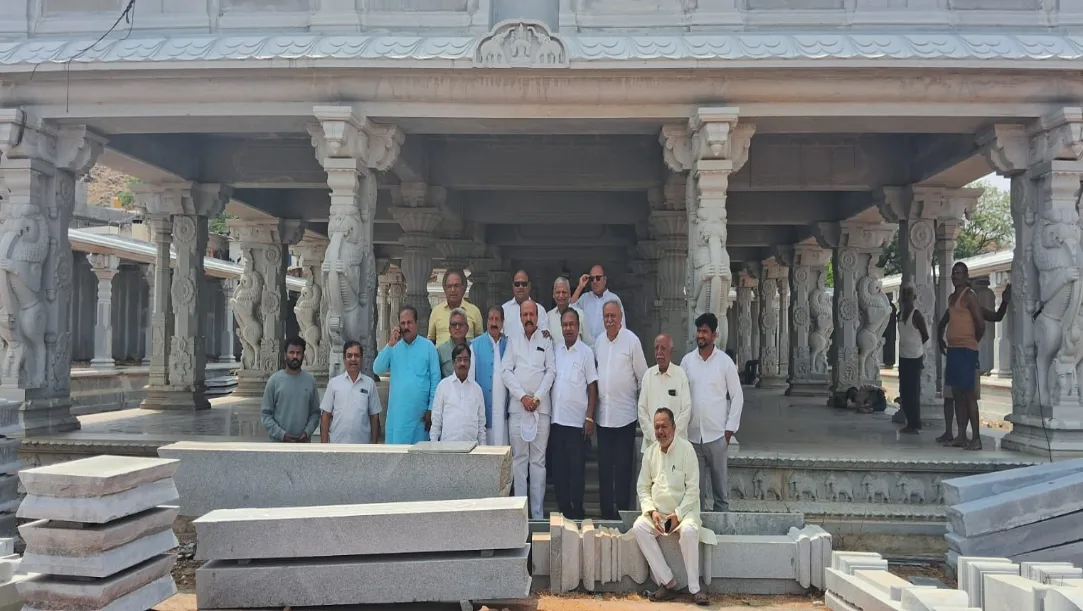
The Shri Sahasrarjun Maharaj Building Committee took a major step toward building a massive temple in Hubballi by launching a specialized architectural tour across North Karnataka today. Central Panchayat President Satish Meharwade led a high-profile delegation to Gulledgudda, Badami, and Pattadakal to study historic stone carvings and modern temple engineering. We saw the team inspecting pillars and intricate designs to ensure the upcoming Hubballi shrine becomes a cultural landmark. March 17, 2026.
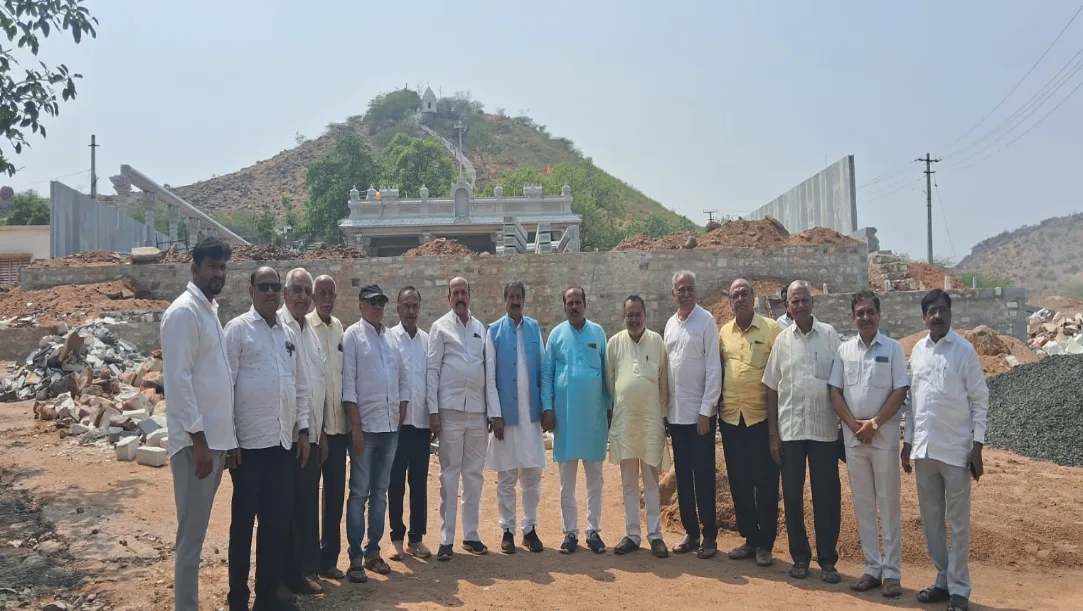
Experts like Vastu specialist V.G. Kalburgi accompanied the leaders to evaluate how ancient Chalukyan styles can blend with modern construction needs. Our sources confirmed that the committee wants to finalize a design that honors the heritage of Shri Sahasrarjun Maharaj while lasting for centuries. Builders and community heads discussed the technical details of temple carving right on the dusty grounds of ongoing projects in the Badami region. Pure vision.
Former trustees F.K. Dalabhanjan and Neelakanthsa Jadi shared their insights on material selection during the field visit. We talked to officials who said the group is focusing on finding the perfect balance between traditional granite work and artistic beauty. Prominent members like Bhaskar Jituri, K.P. Poojari, and N.N. Khode were also spotted taking notes on the structural integrity of the sites. Absolute focus.
Shankar Habib, Gopal Baddi, and N.R. Habib joined the inspection to oversee the organizational side of this massive undertaking. We saw Lakshman Dalabhanjan and Rajendra Jadi examining the quality of local stone samples that might be transported to Hubballi. Statistics suggest that high-quality temple carving can take nearly five to ten years to complete, depending on the scale. Hubballi’s future landmark will likely cost millions and draw thousands of tourists annually. Pure scale.
One specific number to watch: the committee aims to inspect over 15 major temple sites before making a final blueprint decision. They spent over four hours today analyzing the patterns at the Badami construction zones.
