
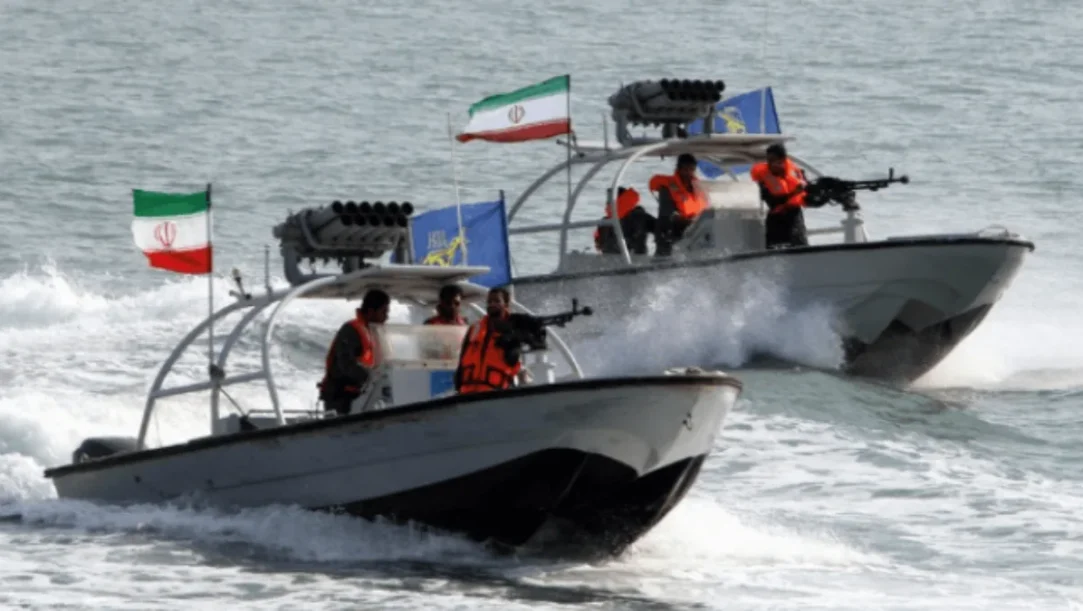
Iranian Revolutionary Guard Corps (IRGC) officials are currently forcing commercial tankers to pay $2 million in cryptocurrency to cross the Strait of Hormuz. Our sources confirmed this digital toll began surfacing around March 2026 as a “sovereign regime” for the waterway. Navies and shipping giants watched in shock as the IRGC effectively turned the world’s most vital oil chokepoint into a private revenue stream. High-seas extortion is the new reality for global trade in April 2026.
We saw reports indicating that between March 1 and March 15, roughly 90 vessels sought clearance from the IRGC. Not every ship pays, but those from “hostile” nations face a steep digital price tag. Experts at Lloyd’s List Intelligence noted a massive 70% drop in normal tanker traffic since the conflict escalated. Many ships now anchor outside the strait to avoid these illegal “protection” fees.
According to ETEnergyworld, Iranian lawmaker Alaeddin Boroujerdi defended the move to state broadcasters. “Collecting $2 million as transit fees from some vessels crossing the strait reflects Iran’s strength,” Boroujerdi stated. He claimed that “war has costs” and these fees cover them. This admission confirms the IRGC uses intermediaries to negotiate these crypto transfers before granting passage via VHF radio.
BREAKING: 🇮🇷 Iran is charging ships in Chinese yuan or stablecoins to pass through the Strait of Hormuz, Bloomberg reports.
Ships must send details to an IRGC-linked intermediary, get a secret permit code, and in some cases switch flags to friendly countries.
Fees reportedly…
— Crypto India (@CryptooIndia) April 2, 2026
Social media users are sharing clips of Iranian gunboats surrounding tankers that refuse to pay. We saw one viral post showing a Hong Kong-flagged ship being forced to turn around after failing to meet the digital demands. These 27 March incidents prove the IRGC isn’t bluffing about its new toll road. Oil prices are climbing as consumers eventually absorb these multimillion-dollar costs. The global supply chain now hangs by a digital thread controlled by Tehran.
Maritime insurance rates for the Persian Gulf region jumped by nearly 400% last week. Shipping companies feel trapped between paying the IRGC or risking a complete vessel seizure. We talked to one captain who described the situation as “organized state piracy on a digital level.” He noted that the IRGC demands Bitcoin or Tether to hide the trail of the money. Global leaders are meeting in Geneva to discuss how to break this blockade without starting a full-scale war.
Logistics managers are now rerouting ships around the Cape of Good Hope to stay safe. This adds 10 days to the journey and doubles the fuel burn for every single trip. Most companies prefer the extra fuel cost over paying $2 million in untraceable crypto coins to a sanctioned group. Our sources inside the Pentagon suggest that the U.S. Navy is considering new escort missions for commercial fleets. Freedom of navigation is at its lowest point in decades due to these digital ransom demands.
