

Mulk Raj Anand was one of the pioneers of Indian English literature. At a time when many writers focused on the lives of the privileged, Anand wrote about people often ignored by society.
His novels highlighted caste discrimination, poverty, exploitation and the struggles of ordinary Indians.
Born in 1905, Anand became known for bringing the voices of laborers, peasants and marginalized communities into English fiction. His work earned international recognition and remains widely studied in schools and universities.
Among his many books, three novels stand out for their social relevance and lasting impact.
‘Untouchable’ (1935)
‘Untouchable’ is Mulk Raj Anand’s debut novel and one of his most widely read works. The story follows Bakha, a young sweeper who faces discrimination because of his caste.
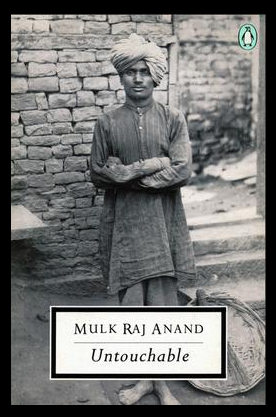
The novel takes place over a single day and shows the humiliation and hardships experienced by people considered “untouchable” under the caste system.
Anand drew inspiration from real incidents he had witnessed during his childhood. The book remains an important work on social inequality in India.
‘Coolie’ (1936)
‘Coolie’ tells the story of Munoo, a 14-year-old boy who struggles to survive while moving between different jobs and places. Through Munoo’s journey, Anand explores class divisions, child labor and economic hardship.
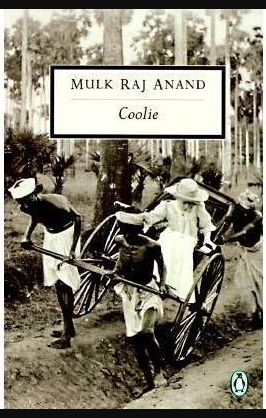
The novel presents a powerful picture of life for the poor during the colonial era. Munoo’s experiences reveal how social status and poverty often shaped a person’s opportunities from birth.
‘Two Leaves and a Bud’ (1937)
This novel focuses on Gangu, a poor farmer who leaves his village to work at a tea plantation in Assam. Hoping for a better future, he soon discovers the harsh realities of plantation life under British rule.
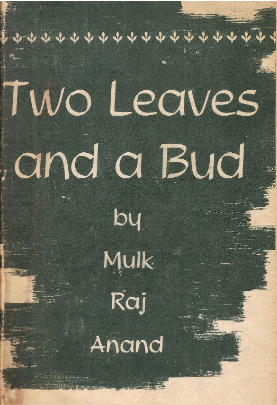
The story examines exploitation, poverty and the unequal relationship between plantation workers and their colonial employers.
Anand uses the novel to highlight the struggles of workers and the effects of economic injustice.
Why Mulk Raj Anand Still Matters
Many of the issues Anand wrote about remain relevant today. His novels continue to spark discussions about social equality, dignity and human rights.
Beyond these three books, Anand also wrote notable works such as ‘The Village’, ‘Across the Black Waters’, ‘The Sword and the Sickle’ and ‘The Big Heart’.
Together, they helped establish him as one of the most influential voices in Indian English literature.
For readers interested in literature that combines storytelling with social commentary, Mulk Raj Anand’s novels remain essential reading.
