
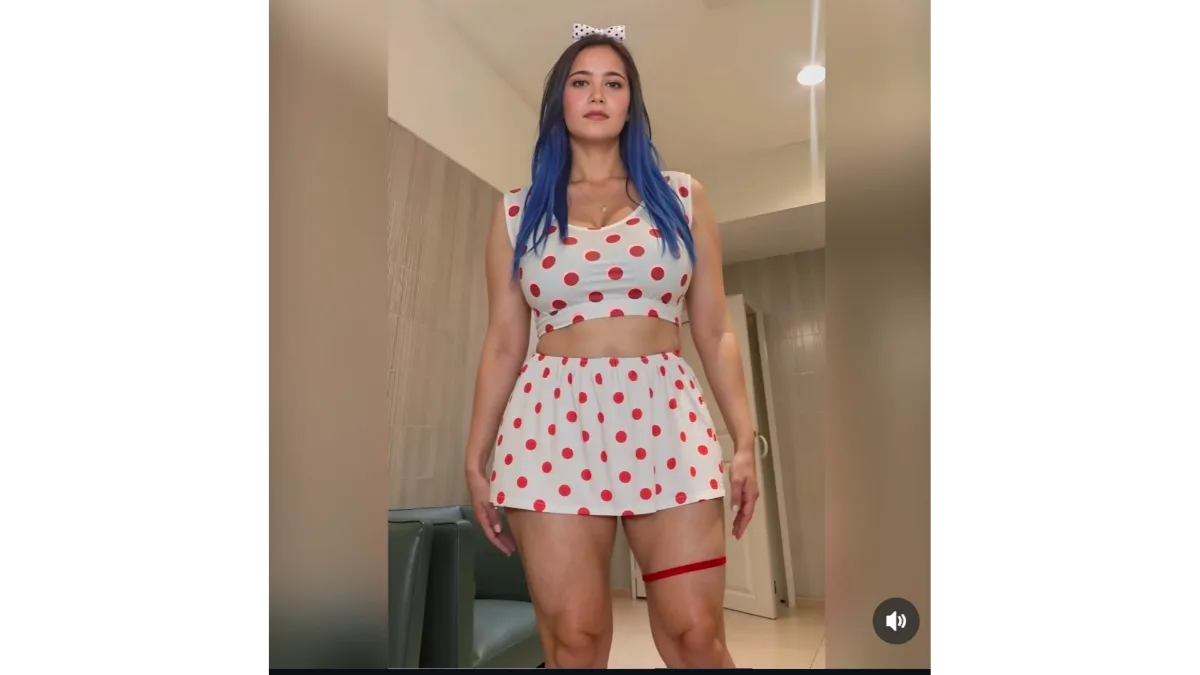
A viral video of Archita Phukan stunned millions across India this week. What seemed like a popular influencer named Babydoll Archi was actually created using advanced AI tools.
The person in the video was not real but a fake identity built using a stolen image and deepfake technology.
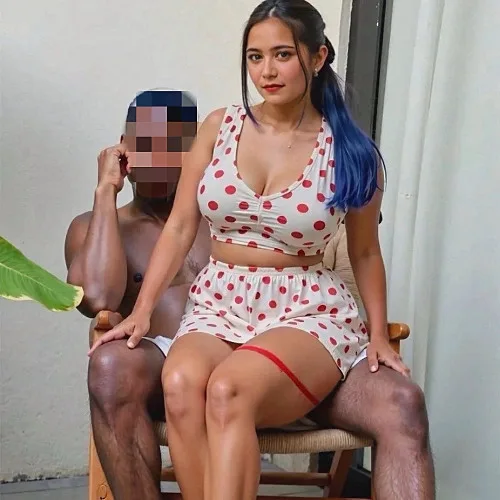
The case took a serious turn when Dibrugarh Police arrested Pratim Bora, a mechanical engineer, for using one photo of his ex-girlfriend to create an entire online persona. He added fake videos, adult content, and even doctored celebrity posts to make it look real.
The Truth Behind the Fake Viral Fame
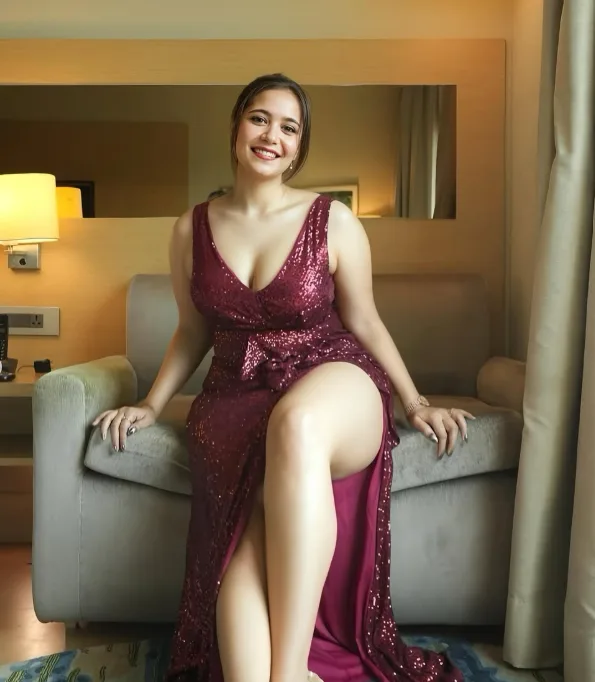
The fake influencer’s videos included lip-syncs, fashion poses, and even posts with adult film actress Kendra Lust. But everything was created using AI platforms like Midjourney and OpenArt.
According to police reports, Bora used these tools to generate private and obscene content, earning more than ₹10 lakh by selling them online.
“People should be careful about what they share online,” said Dibrugarh SSP Sizal Agarwal. “AI tools are getting smarter and can be used for digital crimes.”
आरोपी पुलकित आर्य की चाल ढाल कपड़े देखो और बताओ इसे क्या ही सजा होगी। दलालों ने काम कर दिया अपना। #JusticeforAnkitaBhandari pic.twitter.com/MYym52NW2j
— Pahadi Voice (🏔️Xac🌲) (@HimalayanRoars) May 30, 2025
Revenge, AI, and Digital Safety in India
The scam was not just for money. It was part of a personal revenge plan. Bora allegedly wanted to shame his ex-girlfriend publicly by making fake accounts in her name and posting these deepfakes online.
Cyber experts are now warning that Indian laws are not strong enough to stop such crimes. Although rules under the IT Act and the new Bharatiya Nyaya Sanhita (BNS) offer protection, more specific laws for AI and deepfakes are needed.
Catch more celebrity scoops, TV drama, and movie updates in our Entertainment section.
From red carpets to streaming originals, PanAsiaBiz keeps you in the loop.
