
Google officially began rolling out its November 2026 Broad Core Update on November 10, 2026, at 10:06 a.m. PT. This release represents the search engine’s third broad core algorithm deployment of 2026, following updates earlier in March and May.
As the systems update across all global regions, search queries, and content types, digital media executives, SEO strategists, and webmasters are closely monitoring ranking movements ahead of the competitive Q4 holiday publishing window.
What has Google announced about the November 2026 update?
Google confirmed the release via the official Search Status Dashboard and Search Central communications on November 10, stating that the full rollout is expected to take up to two weeks to complete.
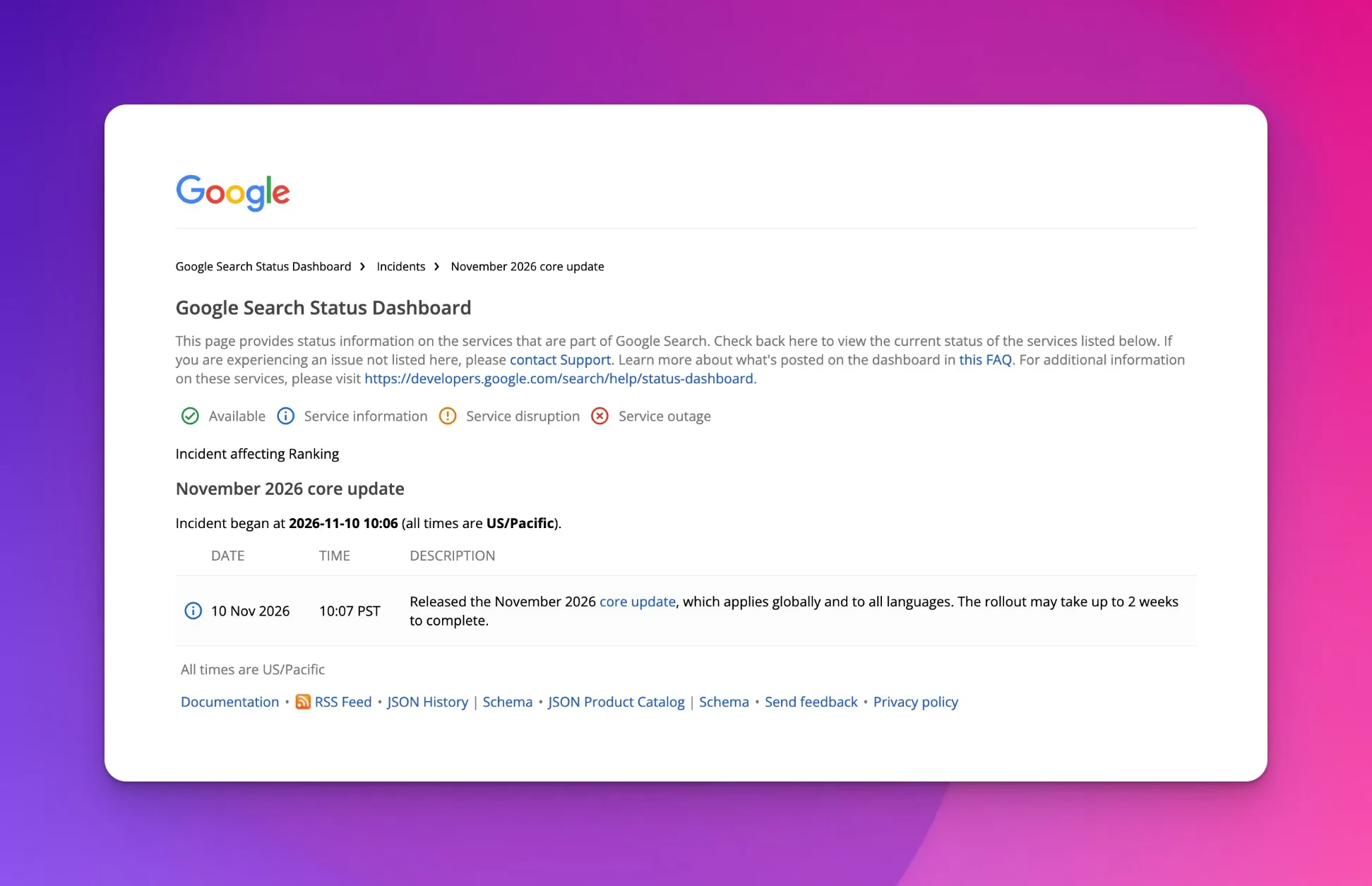
The company described the release as a standard core update intended to refine how automated systems evaluate content overall, ensuring searchers see high-quality, relevant results from diverse sources.
Because broad core updates adjust system-wide evaluation algorithms rather than targeting specific technical bugs or individual manual spam violations, Google advises site owners against making immediate, reactive structural changes while ranking fluctuations remain active.
What are the core focus areas for this algorithm refresh?
While Google does not publish specific site-by-site ranking formulas, broad core updates focus on assessing content quality according to automated Search Quality Rater principles. Key areas being evaluated during this rollout include:
- Content Depth and Satisfaction: Systems favor comprehensive pages that answer user queries directly without requiring secondary search queries to fill in missing information.
- First-Person Experience and Authority: Content reflecting true subject-matter expertise, firsthand insights, and verified original research continues to receive higher priority over aggregated or rewritten material.
- Helpful User-Centric Intent: Pages created solely to rank for search engines rather than genuinely serve human readers face ranking demotions across organic listings.
- Site-Wide Quality Signals: Broad core updates evaluate overall domain trustworthiness, meaning low-quality or thin sections of a website can influence the visibility of higher-performing pages.
How should webmasters handle ranking fluctuations during the rollout?
Fluctuations in organic positions and Google Discover impressions are expected while the system re-evaluates indexes worldwide. Digital publishers and SEO leads should follow a systematic, patient approach during the deployment window:
- Pause Major Site Re-architecting: Avoid changing URL structures, deleting content blocks, or altering sitewide technical configurations while the two-week rollout is still underway.
- Separate Seasonal Drops from Core Impacts: Compare traffic patterns against previous years to distinguish standard holiday or seasonal user behavior from algorithm-driven rank changes.
- Track Search Console Performance: Focus on aggregate click and impression metrics in Google Search Console after the full deployment is officially completed.
- Conduct Objective Content Audits: If ranking declines persist after the rollout finish date, analyze top-ranking competitors to identify gaps in content accuracy, page layout, user experience, and structural clarity.
Google maintains that experiencing a drop in rankings after a core update does not imply a penalty or direct manual action.
Instead, it indicates that other web pages across the index may have improved their relevance and quality signals according to updated system benchmarks.
Related posts:
 OpenAI Training Pause After Google, Bing, DuckDuckGo Blocks Fail to Hold Agent
 Google Drops Mind-Blowing Gmail Live Voice Search to Instantly Read Your Messy Inbox Aloud
 Google I/O 2026: AI Breakthroughs, Android 17 & Gemini Updates
 Google Maps Rolls Out Its Biggest Update in Over a Decade
 Google Labs Flow Updates 2026: A Unified AI Creative Workspace
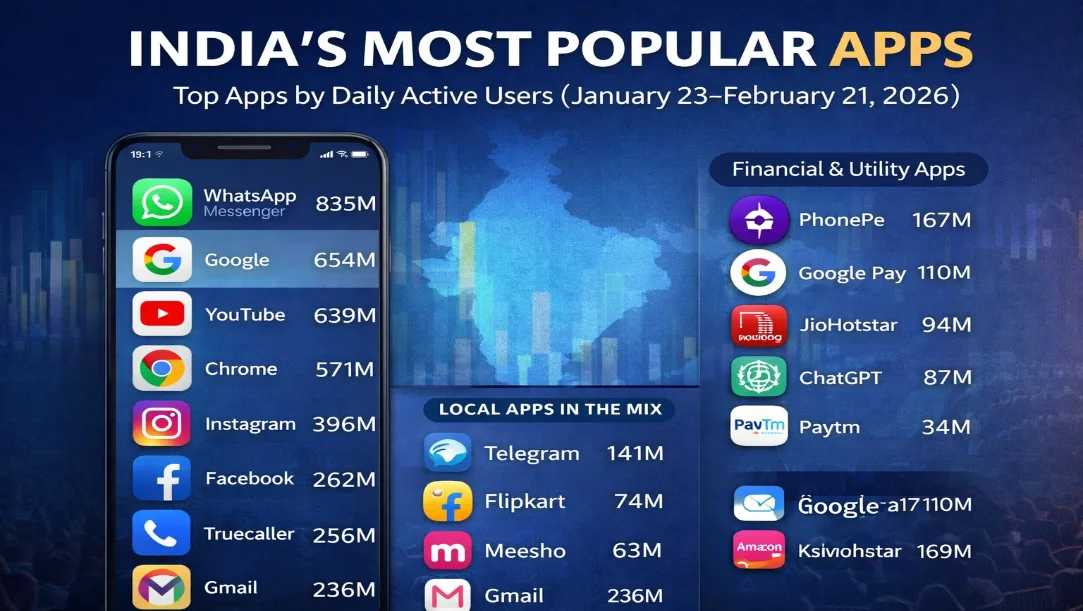 India’s Top 35 Apps of 2026: WhatsApp and Google Dominate Daily Usage
 Google Chrome Just Levelled Up: 7 Massive Gemini AI Updates That Will Change How You Browse Forever
 Top 10 Android Apps of 2025: Official Google Play Award Winners to Download for 2026

Leave a Reply