
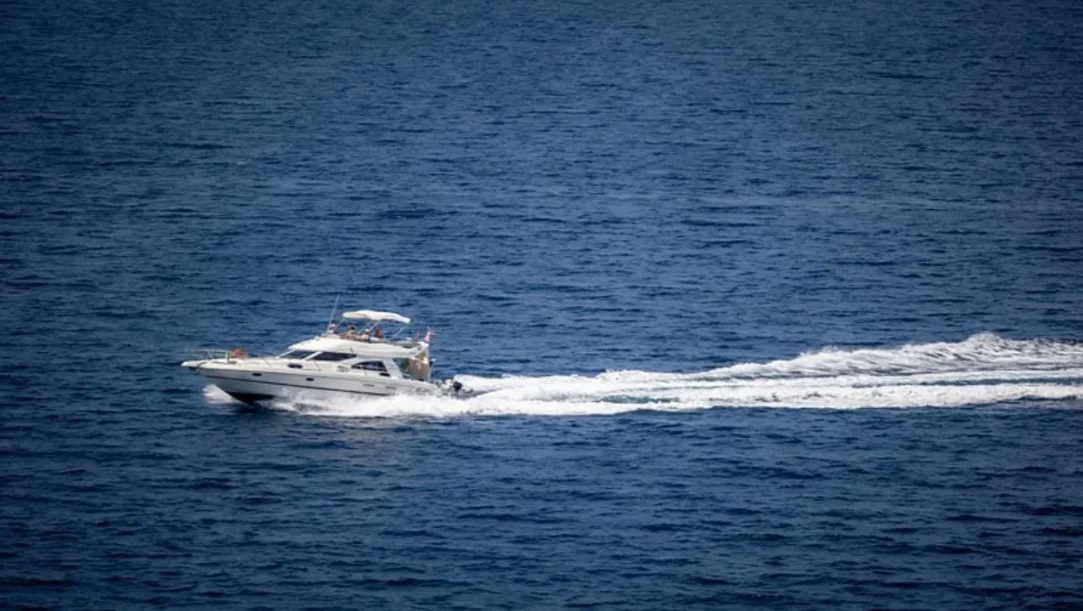
On a skippered day charter along this stretch of the Italian coast, a certified captain comes with the boat, and there is no option to take the helm yourself. That single condition shapes much of what happens after booking, because it means the day is a service with a crew, a schedule and a set of terms, not a rental you collect on the morning. Most guests think about private yacht charters right up to the moment they pay the deposit, then not again until they reach the pier. The weeks in between are where a good day is quietly made or lost.
Read what the price includes, and what it leaves out
The first task after booking is to reread the confirmation with a pencil. On a typical day charter here, the skipper, fuel, soft drinks, snacks, towels and snorkelling gear are part of the price. Several costs usually are not: transfers between hotel and pier, mooring fees if the boat ties up in a busy harbour such as Capri, landing taxes at certain stops, and tickets for attractions such as the Blue Grotto, where entry depends on sea conditions on the day.
None of these is large enough to spoil a holiday, but together they can surprise a group that assumed one figure covered everything. Knowing them in advance lets the organiser collect the right amount from friends or family and decide, for example, whether a stop in Capri town is worth the mooring.
Put the cancellation dates in the calendar
Charter terms on this coast often work in stages. Free cancellation applies up to a set number of days before departure; after that the deposit may be lost, and close to the date the full amount may be due. Cancellations forced by weather are treated separately and normally refunded. The useful step is simply to write the two key dates into the calendar the day you book. Plans change for reasons that have nothing to do with the sea: a flight is moved, someone in the group falls ill, a wedding schedule shifts. Knowing exactly when each threshold passes turns a stressful decision into a straightforward one.
Sort out the land side early
The sea part of the day is in the skipper’s hands. The land part is not. If the group is staying in a hillside hotel in Positano, a villa outside Sorrento or an apartment in Naples, getting to the pier at the right time with bags and children can take longer than expected, especially on summer roads. Many operators can arrange a driver, and booking this a week or more ahead avoids relying on taxis at peak hours.
Confirm the exact meeting point as well. Harbours here are spread out, and a pier described simply as Sorrento or Positano can mean several different places. A pin dropped on a map and a phone number for the skipper, ideally on WhatsApp, prevent most morning confusion.
Tell the crew what they cannot guess
The days before departure are the time to share details that change how the crew prepares. Food allergies and dietary preferences matter if snacks, an aperitif or lunch on board are part of the plan. Ages of children affect which life jackets go on board. Anyone who gets seasick, struggles with steps or does not swim should be mentioned, because these points shape the route and the stops the skipper proposes. If the group would like to bring a dog, ask early; some boats in a fleet accept pets and others do not.
Celebrations deserve a message too. A birthday, an anniversary or a proposal changes small things, from the timing of a stop to whether a photographer is worth booking, and a crew can only prepare for what it knows about.
The day before and the morning itself
The evening before, expect or ask for a short update on the forecast. If wind or swell are expected, the skipper may suggest reversing the route, choosing a sheltered side of an island or shifting the departure time. That flexibility is part of the service, and it works best when the group answers quickly.
Packing is simple but often forgotten. Swimwear worn under clothes saves changing on board. Sun cream, hats and sunglasses matter more on the water than on land, because light reflects off the sea. A light layer is useful for the return crossing, when the breeze at speed can feel cool even on a hot day. Soft, flat soles that grip a wet deck are kinder to the boat and safer than heels or hard leather. A small bag is easier to stow than a suitcase.
Arriving at the pier ten or fifteen minutes early gives time to meet the skipper, hear the safety briefing without rushing and settle in before the lines are cast off. The checklist, in the end, fits on a phone screen: two dates, one address, one phone number, one message about the group.




Leave a Reply