
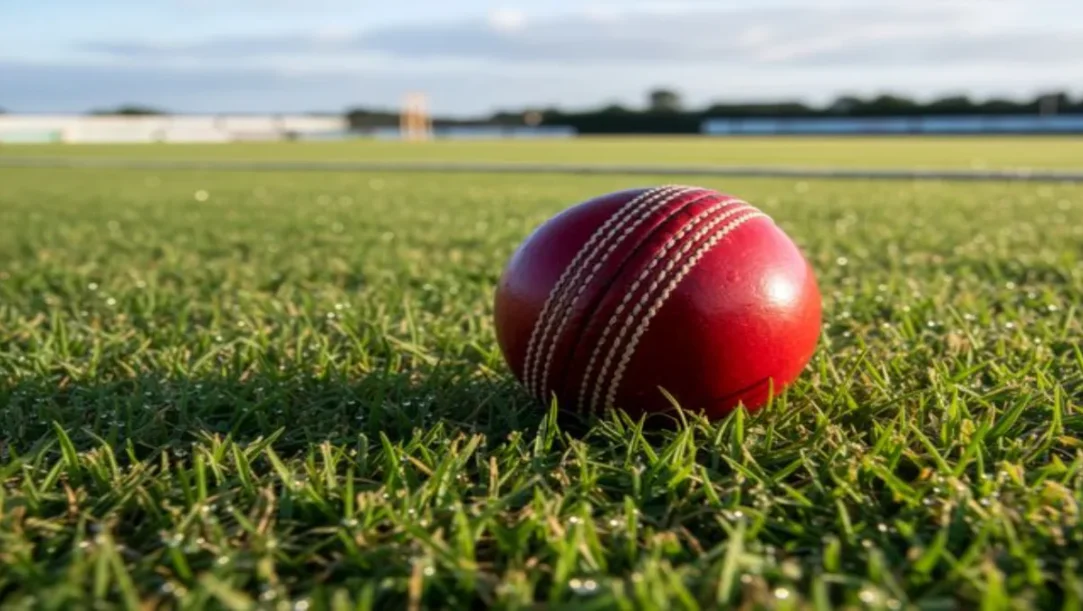
My idea for a club cricket video begins with the bowler a few steps from the crease. I want the viewer to hear the field before the camera shows it. The picture holds on a patch of ground, then a shoe comes into view and the angle changes. It’s a small introduction to a fictional weekend match, something a club might use beside a preview or at the start of a highlights package. No score appears in the video until there is a real score to show. For now the sequence has to communicate that somebody is about to start a game.
I’ll plan the clip with three angles and a simple sound cue. The first is the field from near the edge of the playing area. The second is a low study of the last couple of steps. The third is a wide view that puts the pitch back in context. I can look at those angles independently while preparing the shoot, then record the actual club and match in a suitable position after arranging permission. I want the edit to help a viewer who doesn’t already know the ground locate the crease and anticipate where the action will happen.
Keep the first shot open while the sound starts
In my notebook the first cue is a soft sound from the ground, followed by a pause. The second is a brief sound of feet moving. I’ll use Seedance 3.0 for a study from my own wide reference photo, asking for the image to stay still while the first cue plays. It can use a text description, an image and an audio reference. A video reference will come later for the pace of the run-up. The first question is how long the scene can remain quiet before someone who follows the sport expects the next view.
To plan the wide I’ll look for a place where the pitch begins clear of the edge of the frame and the background doesn’t contain any confusing signs. There may be spectators in the real shot. I can decide what kind of scene to film after learning which part of the ground is available to the camera. For the sketch I’ll leave people out and let the field give the cue. If the initial view feels anonymous, I’ll put a bit more of the boundary and the side of the pitch in the frame.
Use the footwork reference to help set the cut
I’ll make a reference clip of footwork with a participant who agrees to help. I only need a record of the rhythm and where the last foot lands in the frame. For Seedance 3.0 I can give that reference a single job, set the rate of the final steps. I’ll use a separate photograph for the colour of the ground and describe the brief hold at the end in plain text. The model may interpret the movement in another way, so I’ll check which details the study actually shows before keeping anything for the shot plan.
If my first cut moves from the wide to the shoe too early, it can feel like we’ve entered a different place. I’ll look for the same edge of ground or pitch somewhere in the close angle. I can also put the first sound of a step over the wide, then cut when it moves. It’s useful to try that in the editor with the same footage before asking for a new rendering. The narrower shot should give a sense of pace without leading a viewer to expect a view of the whole delivery from that angle.
Bring the full action back in a view the club recognises
For the closing view I’ll record from well away from the play and use an angle agreed with the organisers. In the finished clip the delivery and whatever happens next will be shown from real footage. I can retain a short fictional opening as an illustration if it is identified as such, or use it to test where to put the first cut and then replace it entirely. If the club needs a clean title at the start, I’ll record an extra wide view before the run-up so it can stay on the screen while somebody gets their bearings.
The Seedance 3.0 study can help me decide whether the introduction should use a dark or bright foreground. To budget an alternate angle I’ll record the intended output alongside Seedance 3.0 pricing for the visual tests. If it is the field recording that needs more contrast, another generated image won’t solve that. I can decide what to shoot on the day and reserve the trials for the question of how the first and second angles fit together.
Check the sound and the first visible step together
My last comparison will have one version where the sound leads and one where they start together. I will test them in silence as well, because a club preview may begin on a muted feed. The field still needs to look like the same place by the time the bowler appears. I can get some help from the early frames of Seedance 3.0 when deciding where to put the first title. The actual match footage supplies the pitch, motion and sequence people are there to see.
For a short social version I’ll save a still wide enough to show the pitch before the players begin to move. I can put the match details beside the clip, with the visual cue left visible at the top of the post.
I’ll keep a set of notes on the recording position and a copy of the real sound without music. Next time, I can start at a different ground and still have an approach for joining its wide view to a close shot. The footage should give the audience a little time to feel the start of play. Seedance 3.0 belongs at the stage when I’m trying out that interval, before the sound and action of the match become the main event.
Game on! Track the buzz in football, tennis, Cricket, and more in PanAsiaBiz's Sports section.
From pitch to court and ring to track, PanAsiaBiz brings the action closer.
Related posts:
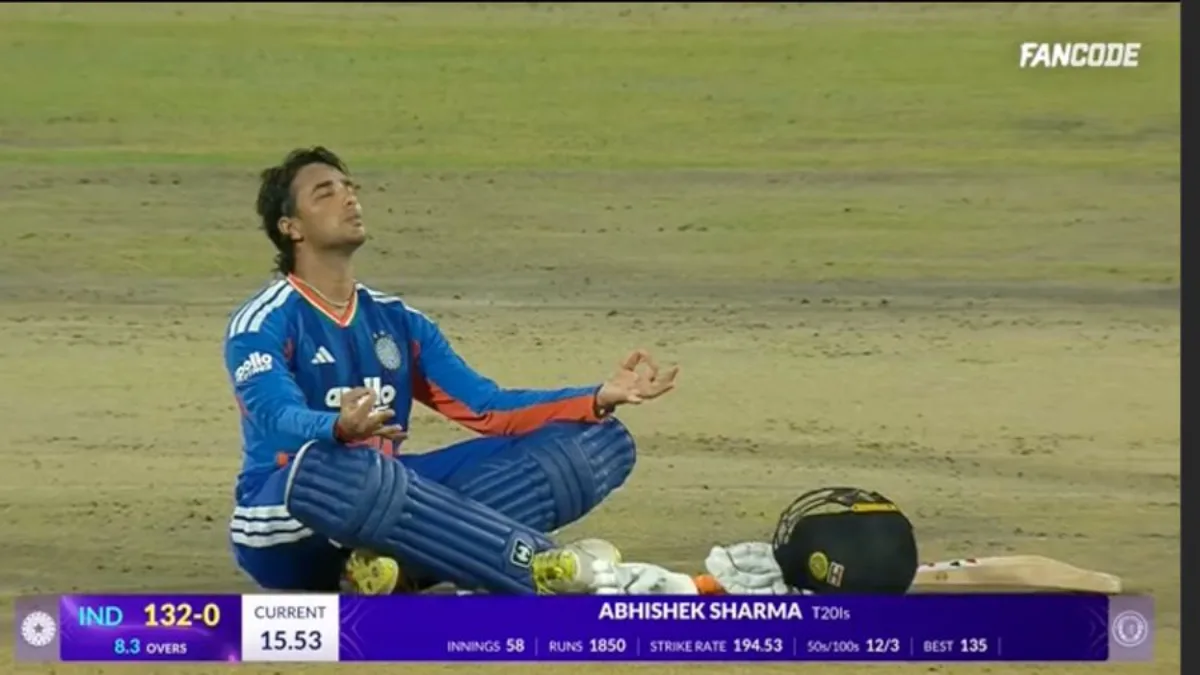 Watch Video: Abhishek Sharma 30-Ball Century Against AFG in 3rd T20
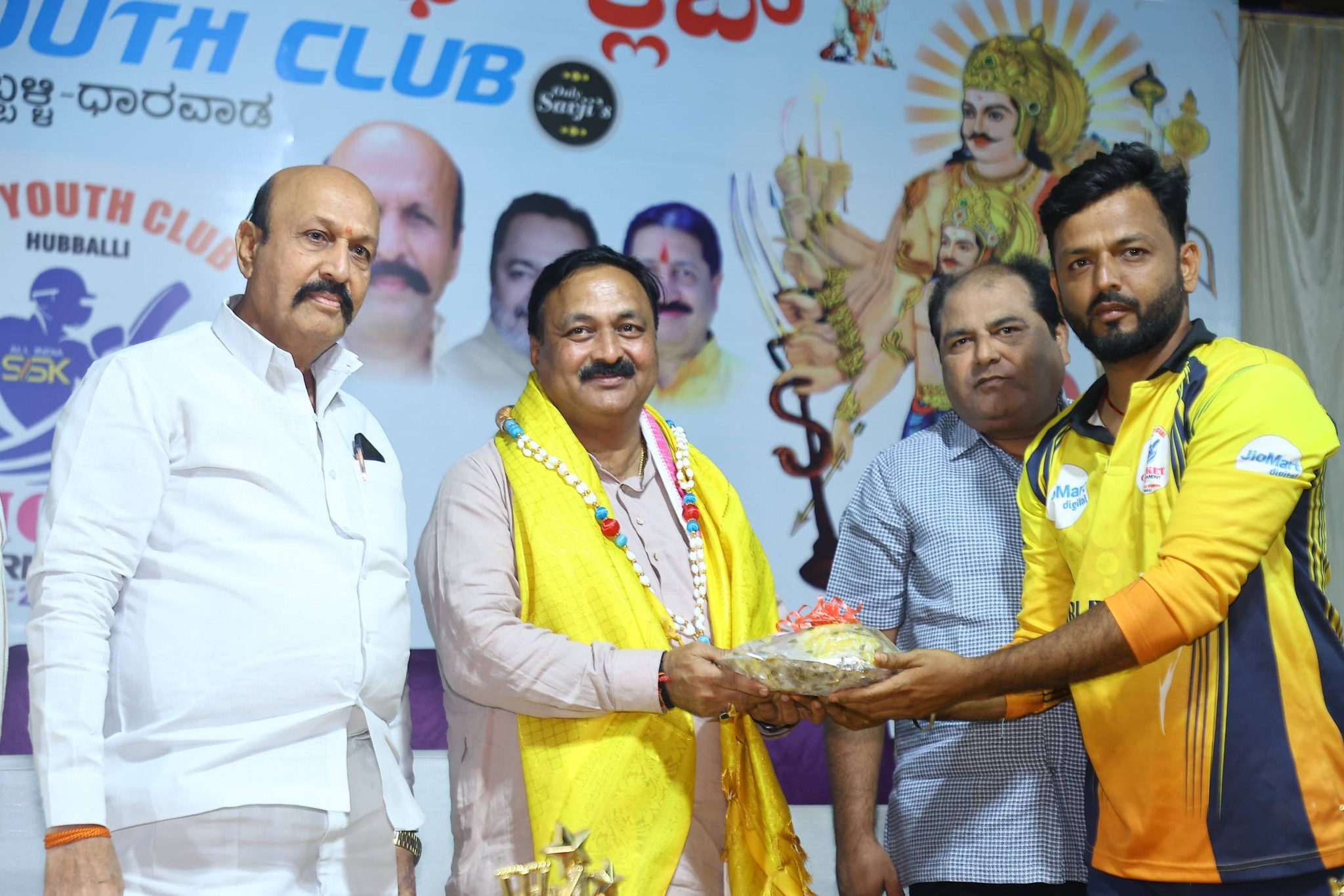 MLA Mahesh Tenginakai Awards Trophies at SSK Youth Club Cricket Finale
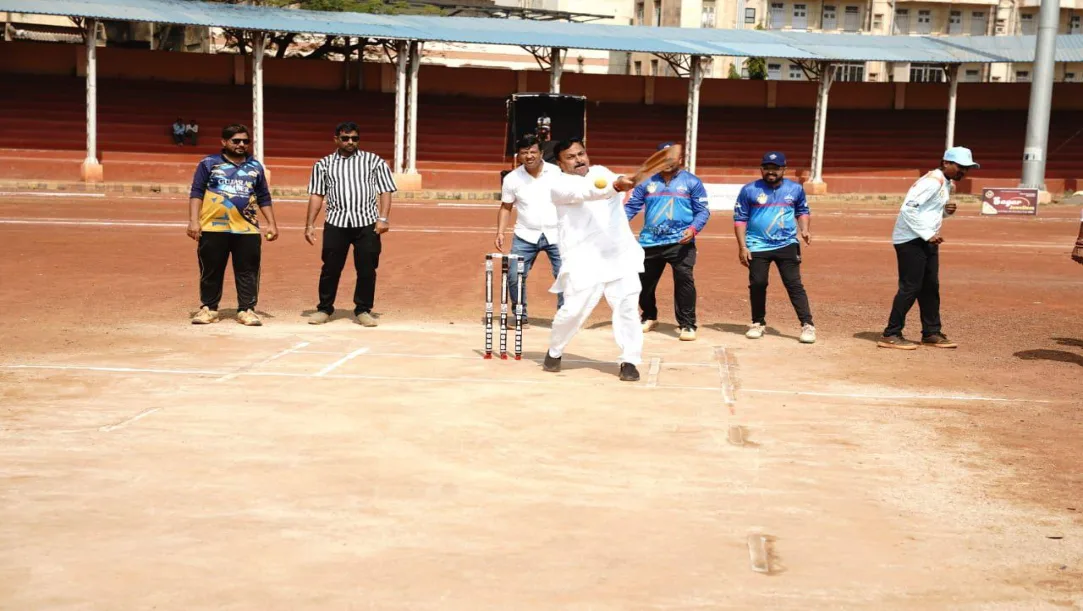 Hubballi MLA Mahesh Tenginakai Inaugurates 60-Yard Cricket League at Nehru Ground
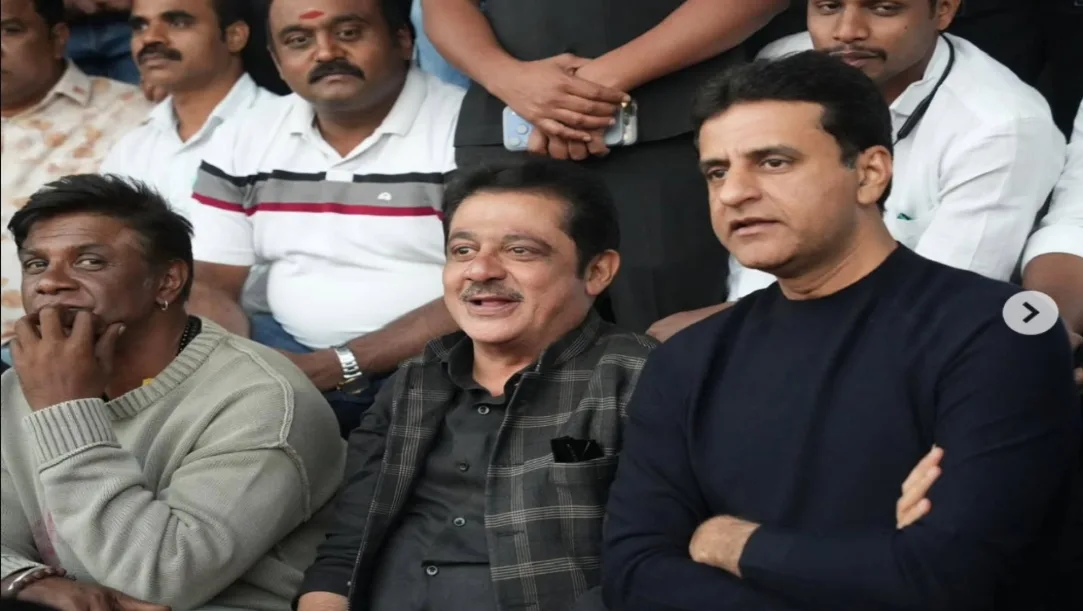 ‘Namma League’ Triumph: Zameer Ahmed Khan Honors Cricket Winners in Chamarajpet
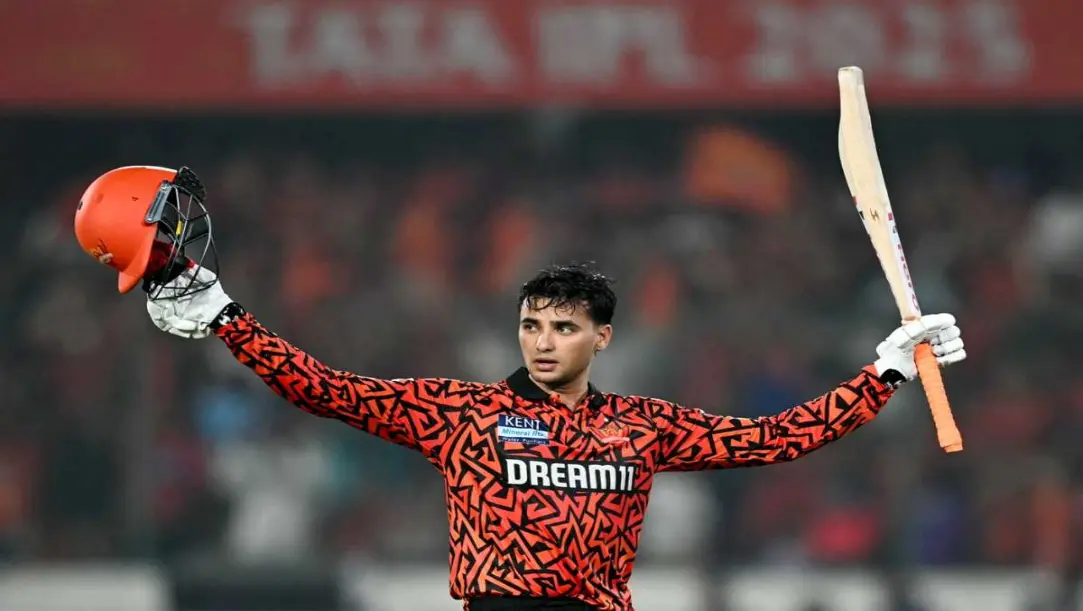 Watch: Abhishek Sharma Blasts 32-Ball T20 Hundred Against Bengal

Leave a Reply