

Seoul, South Korea: Samsung has unveiled a bold new strategy that positions it in direct competition with tech giants Google and Qualcomm. In its Q3 2025 earnings announcement, the company revealed two major moves: the launch of its Samsung Internet browser for Windows PCs and a renewed focus on its Exynos chip line for flagship smartphones.
The newly ported Samsung Internet browser, previously exclusive to Galaxy smartphones, is now available in beta for Windows 10 and 11 in the U.S. and Korea.
Samsung claims this marks the beginning of a transformation into an “ambient AI” platform—one that proactively understands user needs and delivers personalized assistance across devices. COO Won-Joon Choi emphasized that the browser will evolve into a secure, intelligent gateway for the entire Galaxy ecosystem.
Despite its modest mobile market share of 7.43%, Samsung is betting on cross-device integration and AI-driven features to attract PC users.
Logged-in users can already access web page summarization, translation, and sync features for bookmarks, passwords, and sessions.
Meanwhile, Samsung is also taking aim at Qualcomm. The company announced plans to enhance the competitiveness of its Exynos processors, which were notably absent from this year’s Galaxy S25 lineup.
Instead, all models used Qualcomm’s Snapdragon chips, known for their advanced neural processing units (NPUs). Samsung aims to close the gap by improving its own NPUs and leveraging differentiated image sensor technologies.
In the memory segment, Samsung reported record Q3 revenue, driven by mass production of HBM3E and early shipments of HBM4 samples.
The company plans to expand HBM4 capacity and scale sales of DDR5, LPDDR5x, and high-density QLC SSDs to meet rising demand from AI infrastructure providers.
Samsung posted ₩86.1 trillion ($60.5 billion) in consolidated revenue for Q3, up 15.4% from the previous quarter. Operating profit soared to ₩12.2 trillion ($8.5 billion), marking a 160% increase.
With these aggressive moves, Samsung is signaling its intent to reshape the digital experience—from chip architecture to browser intelligence—while challenging the dominance of Google and Qualcomm in their respective domains
Related posts:
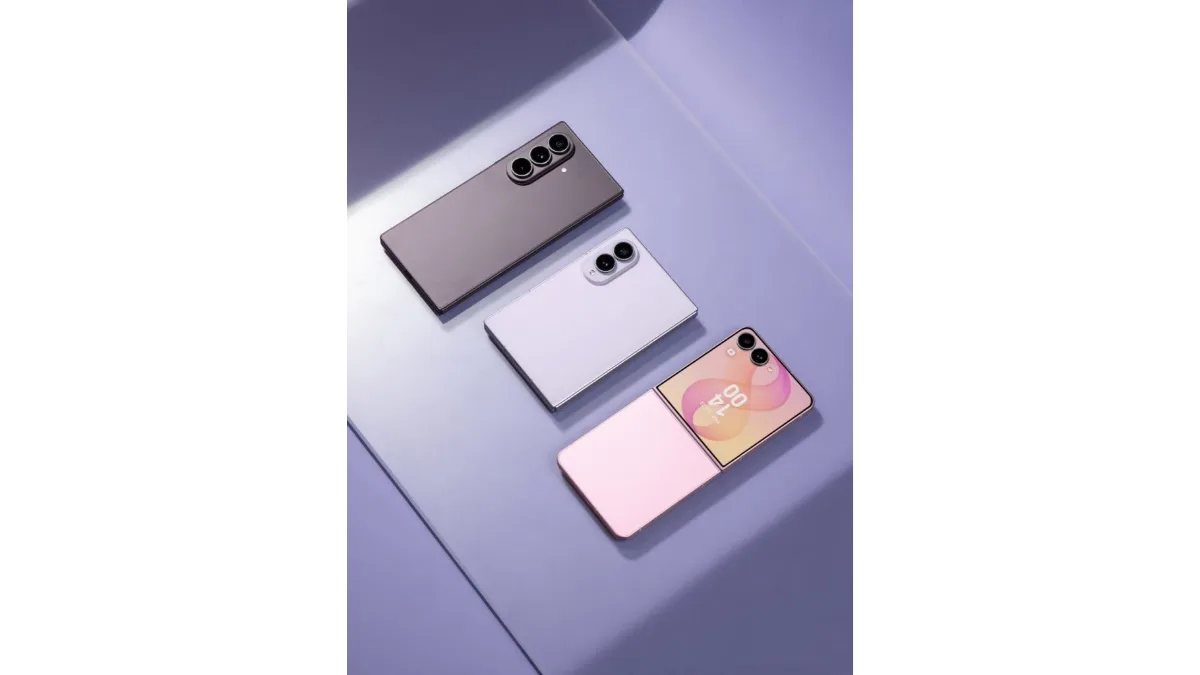 Samsung Officially Launches Galaxy Z Fold8 Ultra and Fold8
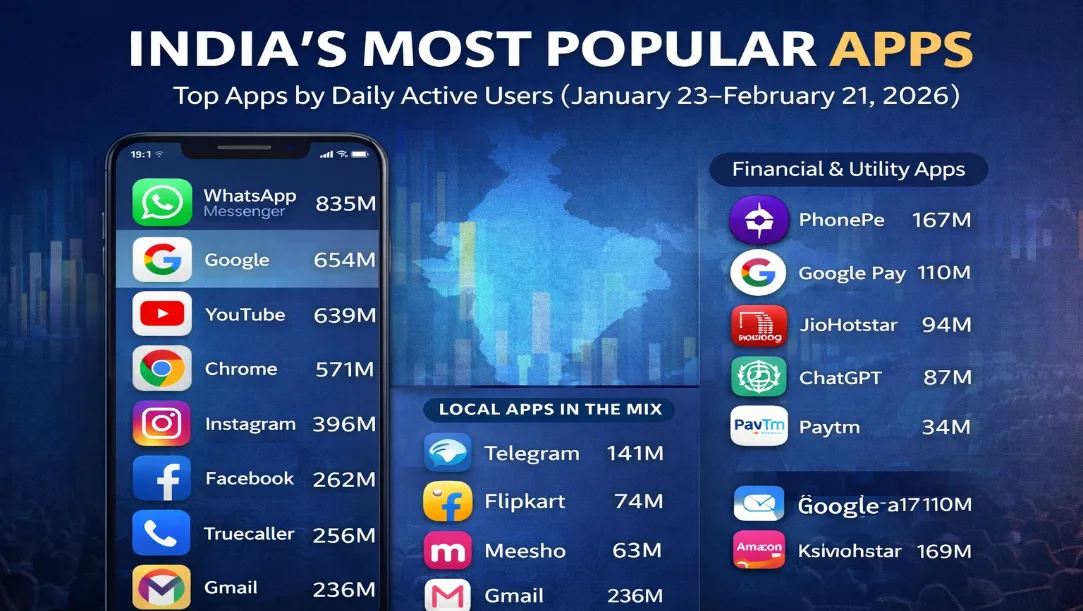 India’s Top 35 Apps of 2026: WhatsApp and Google Dominate Daily Usage
 Google Gemini Guided Learning Feature: Step-by-Step AI Tutor Released in 2025
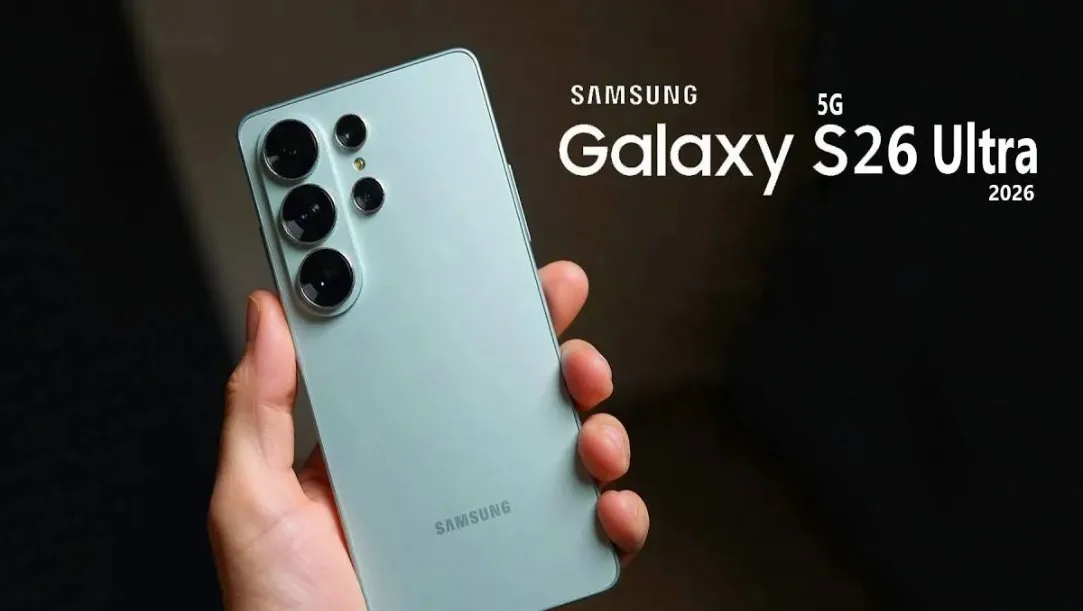 5 Major Leaks Reveal New Samsung Galaxy S26 Ultra Launch Schedule
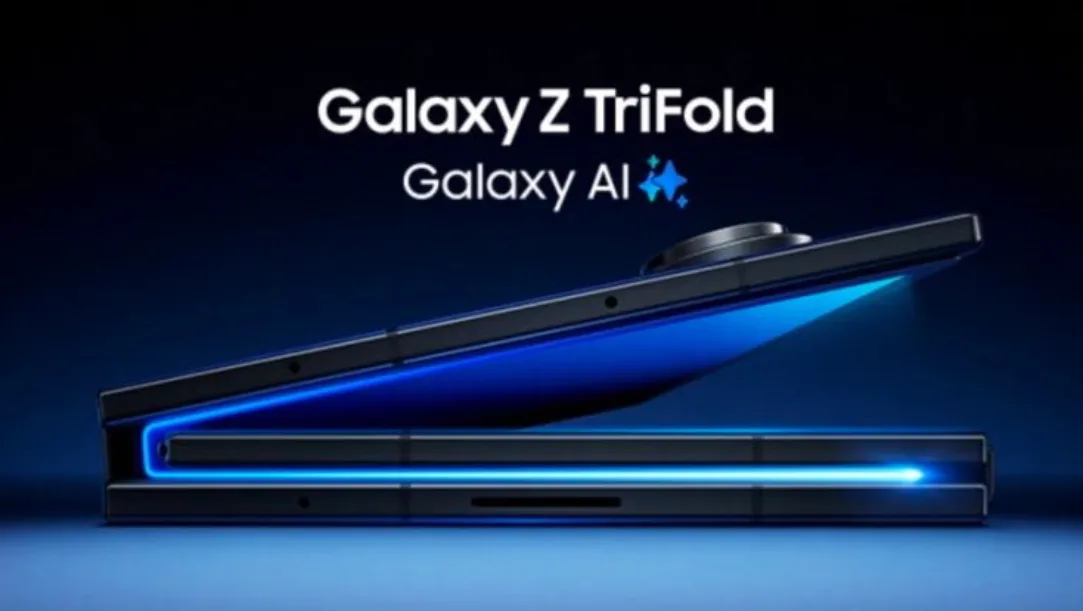 The Folding Future: Samsung Stuns CES 2026 With Galaxy Z Tri-Fold Debut
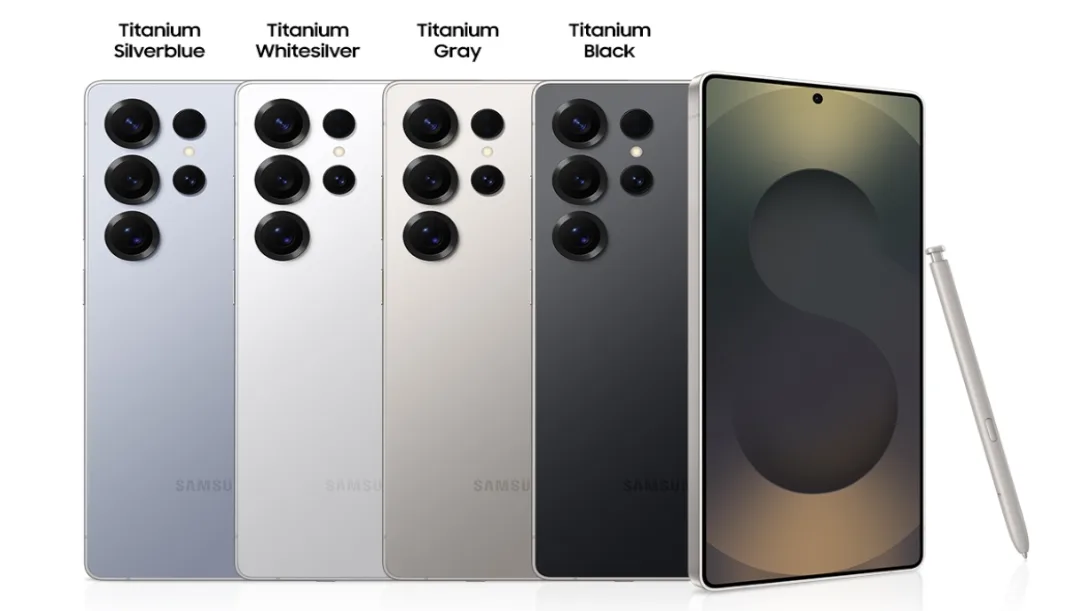 Get $200 Credit: Samsung Galaxy S26 Ultra Release Date and Pre-Order Deals Leaked
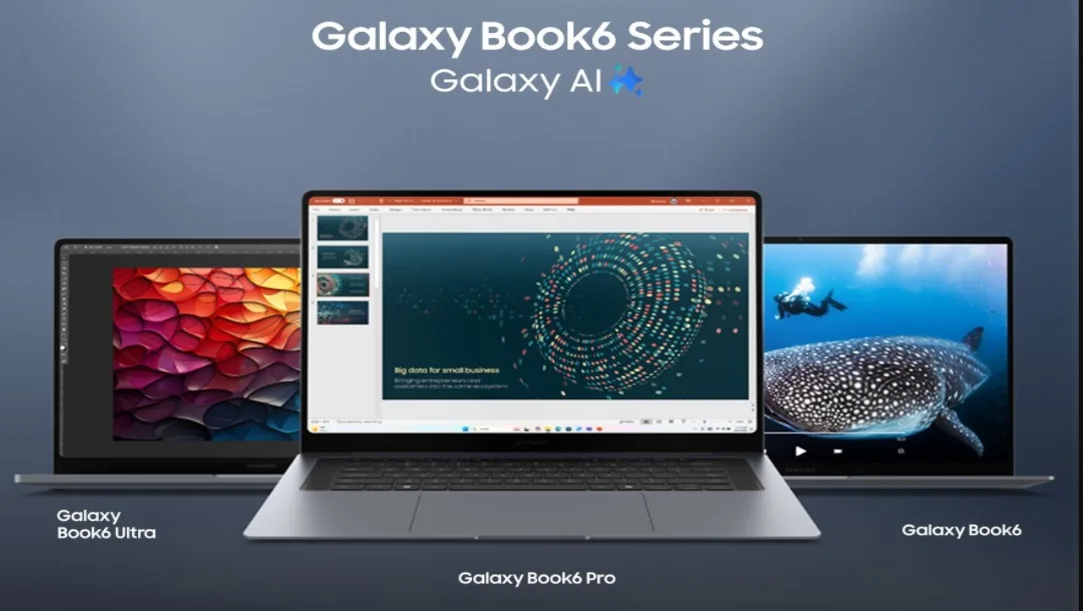 Samsung Clones MacBook’s Best Feature: The 15% Larger Galaxy Book 6 Haptic Touchpad
 Google Labs Unveils CC — A New AI Agent That Emails You a Daily Briefing