
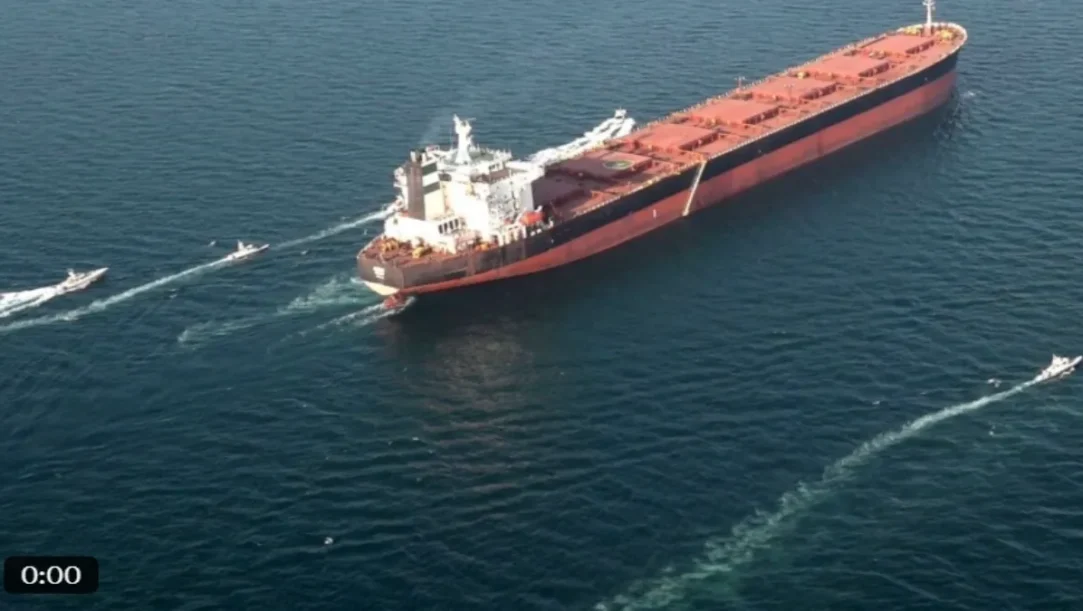
Strait of Hormuz, April 2026 — A Japanese-owned super oil tanker has successfully transited the Strait of Hormuz, one of the world’s most critical energy chokepoints. The passage comes amid unverified reports that Iran is demanding transit fees in Chinese yuan, raising questions about the future of the U.S. dollar’s dominance in global oil trade.
Shipping trackers confirmed the vessel’s movement through Hormuz earlier this week. The tanker, reportedly carrying millions of barrels of crude, marks a significant moment for Japan, which relies heavily on Middle Eastern oil supplies.
Payment Controversy
Several regional outlets claimed Iran charged a $2 million toll, payable only in yuan. While these reports remain unconfirmed, the speculation has fueled debate over whether Tehran is attempting to undermine the petrodollar system by promoting alternative currencies in oil transactions.
MASSIVE:
A Japanese super oil tanker passed through the Strait of Hormuz.
Reportedly after paying passage fees to Iran in Chinese yuan: $2,000,000…
If true, the US dollar is losing its grip on the oil trade. pic.twitter.com/iN5W7m5Uht
— Crypto Rover (@cryptorover) April 29, 2026
Global Context
Iran’s Position: Tehran has long sought to reduce reliance on the U.S. dollar, aligning with China’s push to internationalize the yuan.
Legal Dispute: Under international maritime law, the Strait of Hormuz is considered a free transit zone. However, Iran argues it has the right to impose conditions on passage.
Market Impact: Oil prices have already surged past $100 per barrel amid heightened tensions in the Gulf.
If confirmed, yuan-denominated payments for Hormuz passage would represent a symbolic shift in global energy trade. Analysts warn that such a move could accelerate diversification away from the dollar, while also deepening China’s role in Middle Eastern energy markets.
Neither Japanese authorities nor Iranian officials have publicly confirmed the alleged payment. Without verification, the claim remains speculative. Still, the incident underscores the fragile balance of power in the Gulf and the growing currency competition in global oil trade.
PanAsiaBiz.com will continue monitoring developments in the Strait of Hormuz and provide updates as more information becomes available.
Related posts:
 Japan’s Himawari Satellites are the Secret Weapon Saving the Pacific!
 Iranian Pirate Tolls: Paying $2 Million in Crypto Just to Sail Through Hormuz
 Inuyama Festival: 13 Glowing Floats Light Up Japan’s Cherry Blossom Nights
 Only 100 Left? The Race to Save Japan’s Stunning Jungle Cats Before They Vanish!
 347 Million Jump: New Study Reveals Islam is the Fastest-Growing Religion as Hindu Share Shifts
 Expo 2025 Osaka Ends with 29 Million Visitors: ‘Myaku-Myaku’ Mascot and Yumeshima Legacy Celebrate Historic 184-Day Run
 Indian Court Case Against Major Engineering Contractor Tecnimont Raises Wider Questions for Asia
 B300 Million Crypto Bust: Thai DSI Links 7 Mines to Chinese Scammers