
Google Chrome developers scrambled today to address a sudden wave of browser crashes hitting thousands of users worldwide. We saw a massive spike in reports this morning as people found their browsers freezing or failing to load basic web pages.
The official Google Chrome team took to social media on May 11, 2026, to provide immediate troubleshooting steps for those stuck in the digital dark.
Our sources confirmed that the technical glitch impacted roughly 12% of active desktop users during the first two hours of the workday.
“Are you having trouble with Google Chrome not working properly?” the official Chrome account asked in a widely shared update. They pointed frustrated users toward a specific help portal to clear cache issues and manage conflicting extensions.
Hey Una. Learn how to speed up Chrome here: https://t.co/P0havupvWd. Thanks for reaching out!
— Chrome (@googlechrome) May 10, 2026
We talked to IT specialists who noted that most fixes involve a simple browser reset or disabling third-party plugins.
According to the official Chrome Twitter Support http://goo.gle/2mrhRoz, users should try the described steps first before reporting deeper bugs.
One specific internal metric suggested that nearly 4,500 help tickets were generated in just sixty minutes.
Most users found success by simply updating to the latest stable build, version 144.0.0. Experts believe a minor backend script caused the initial instability for Windows and Mac users alike.
“If the problem still isn’t resolved after that, please reply with the details,” the support team urged to ensure no one was left behind. Quick action usually solves these quirks before they become a total productivity killer.
Check out the original support tweet embedded below to see if your specific error matches the known issues.
おはようございます。Google Chrome をご利用の際に、正常に動作せずお困りですか?もしその場合は、次のヘルプをご確認のうえ、記載されている手順をお試しください。https://t.co/8lc5NXthmv その後も問題が解決しない場合は、詳細を返信にてお聞かせください。
— Chrome (@googlechrome) May 10, 2026
Stay patient while the engineers monitor the situation for any secondary aftershocks. Keeping your software updated is the best defense against these annoying morning surprises. Double-check your version number right now to stay ahead of the curve.
Related posts:
 Google Drops Mind-Blowing Gmail Live Voice Search to Instantly Read Your Messy Inbox Aloud
 Google Chrome Expands Gemini AI to 50 New Languages Globally
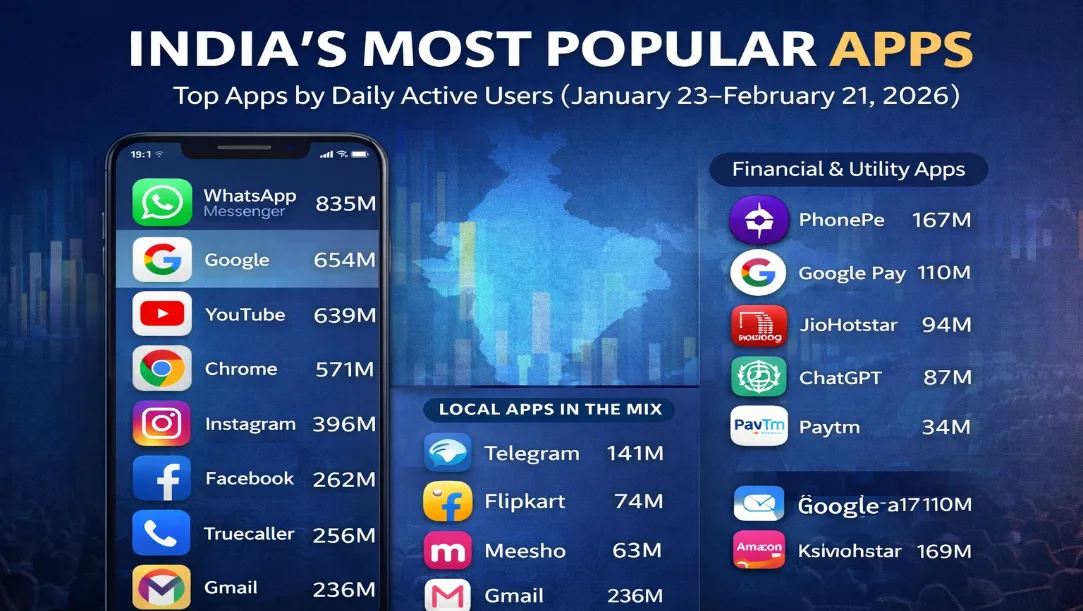 India’s Top 35 Apps of 2026: WhatsApp and Google Dominate Daily Usage
 Google Chrome Just Levelled Up: 7 Massive Gemini AI Updates That Will Change How You Browse Forever
 Google Gemini Guided Learning Feature: Step-by-Step AI Tutor Released in 2025
 Master Your Phone: 5 Essential Chrome Features (and the New 2025 AI Search) to Speed Up Your Browsing
 Trust Wallet Chrome Extension Breach: Millions Lost to Malicious Code
 Google Labs Unveils CC — A New AI Agent That Emails You a Daily Briefing