
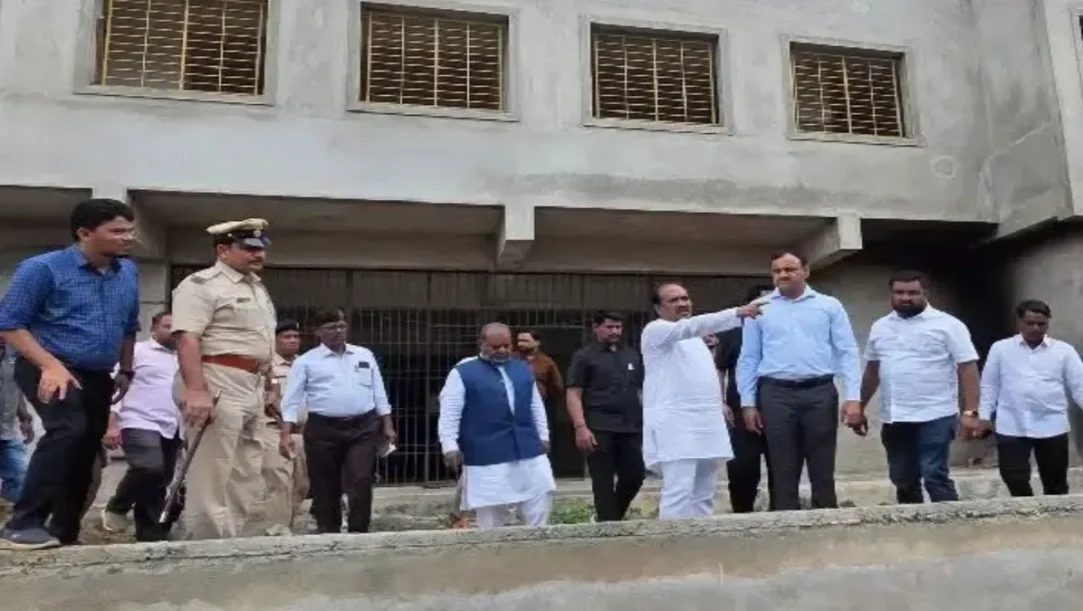
A brand-new 100-bed hospital in Old Hubballi, in Karnataka, is almost ready. The inauguration will take place in July 2026, led by Karnataka Chief Minister D.K. Shivakumar. Residents have waited years for this facility, and now the doors are about to open.
Our sources confirmed that construction is in its final stage, with officials instructed to wrap up the remaining work quickly. MLA Prasad Abbayya, also the Slum Board President, inspected the site with engineers and health officers. He told reporters, “This hospital will serve thousands of families with modern healthcare.”
The hospital will treat diabetes, hypertension, heart disease, maternal care, child care, surgeries, eye problems, tuberculosis, leprosy, dengue, malaria, and more. With 100 beds, the facility is expected to handle nearly 500 patients daily once fully operational.
Hubballi-Dharwad East constituency already has 12 health centers. A proposal for 5 new clinics has been submitted to the state government. Officials estimate that once approved, healthcare coverage in the region will rise by 40% compared to current levels.
Education is also receiving attention. A new government pre-university college has started in Bidanal, offering science and commerce streams. The Chief Minister will inaugurate the new college building, signaling a push for better learning opportunities alongside healthcare expansion.
We talked to municipal commissioner Dr. Rudresh Ghali, who said, “The hospital is not just about treatment, it’s about building trust in public health.” Engineers R. Vijaykumar and Geeta Chavan added that safety checks are being completed before the opening date.
Community leaders, including former corporator Altaf Kittur and nominated member Santosh Pujar, joined the inspection. Social media embeds will highlight public reactions once the inauguration ceremony begins.
With healthcare and education projects moving forward, Old Hubballi is positioning itself as a growing hub for public welfare. Residents believe the new hospital will reduce travel time for patients by 60% and cut emergency response delays across the city.
Stay updated with breaking local stories, civic developments, and Twin City updates in our Hubballi section.
From infrastructure projects to community news, PanAsiaBiz keeps you informed.
Related posts:
 Hubballi Mahaveer Limb Centre Camp in Belagavi Oct 2 for 100+
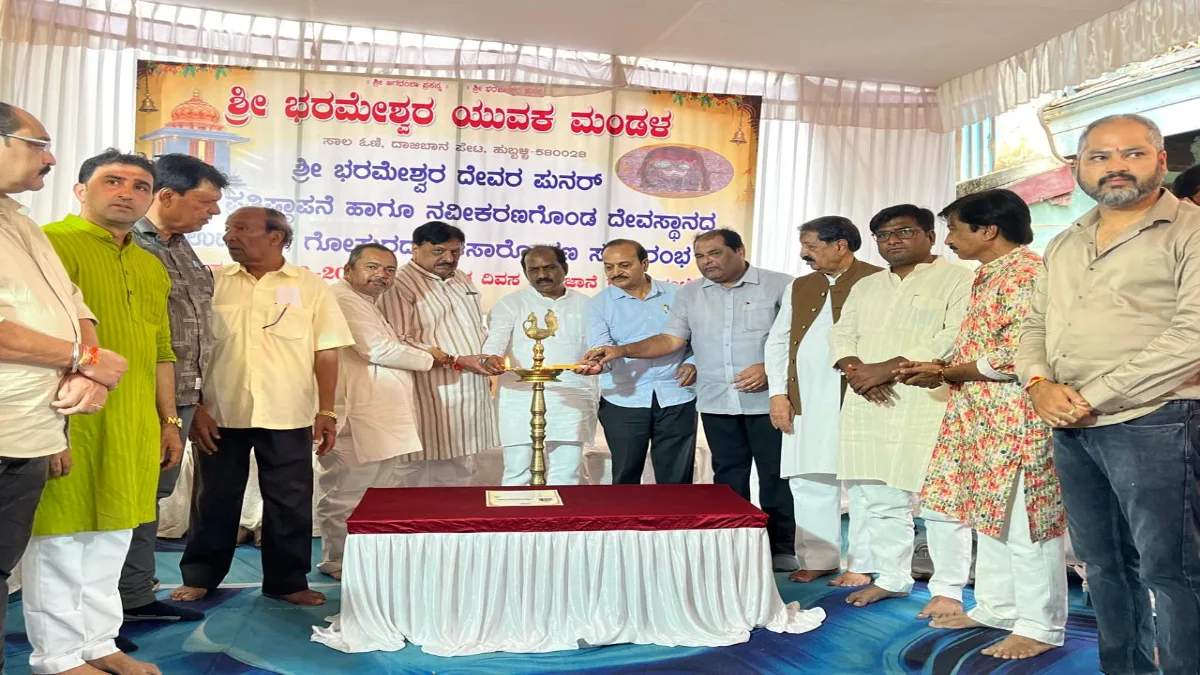 Hubballi Temple Reopens After Grand Gopura Kalasha Rites
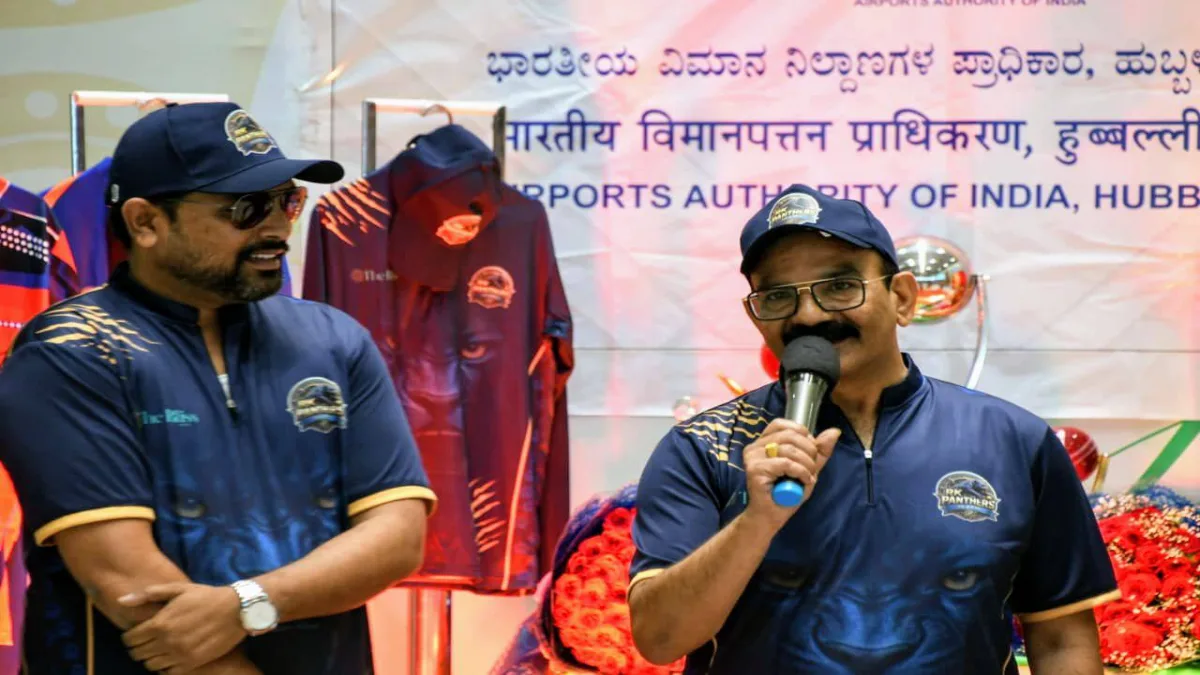 Hubballi Airport Premier League Officially Kicks Off With Grand Jersey and Shield Unveiling
 Hubballi SSK Samaj Ready for Grand Jolada Oni Cradle Ceremony & Mega Feast!
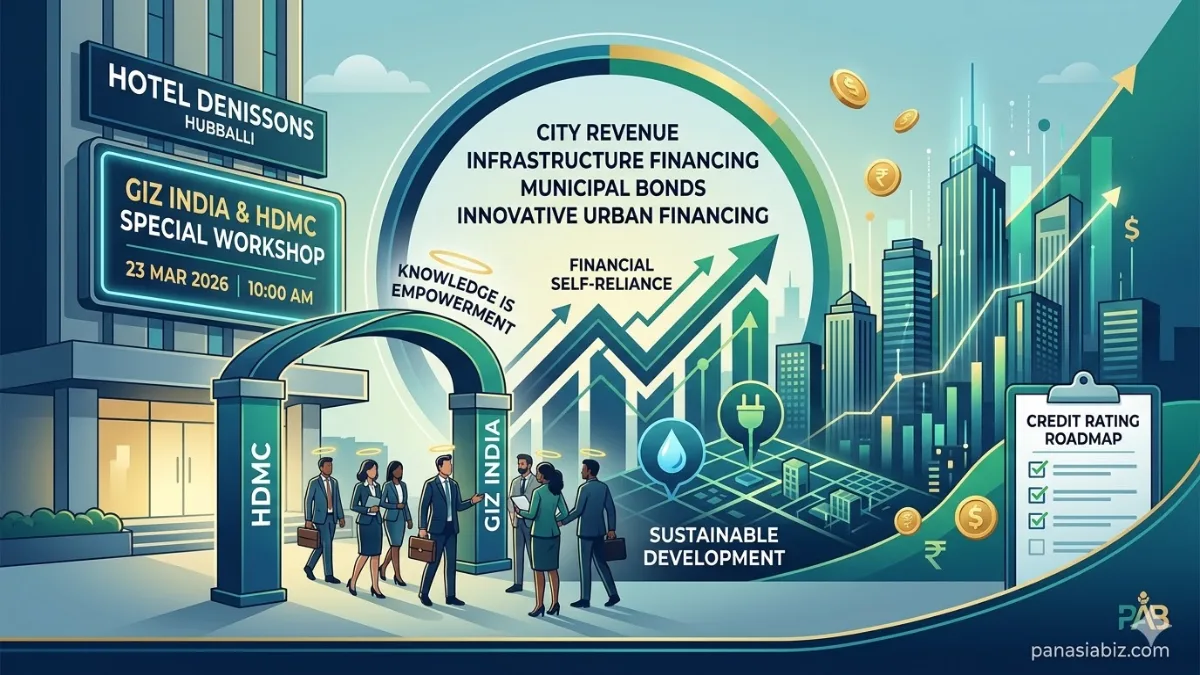 HDMC Goes Pro: Hubballi-Dharwad Plans ₹100 Crore Municipal Bond Launch!
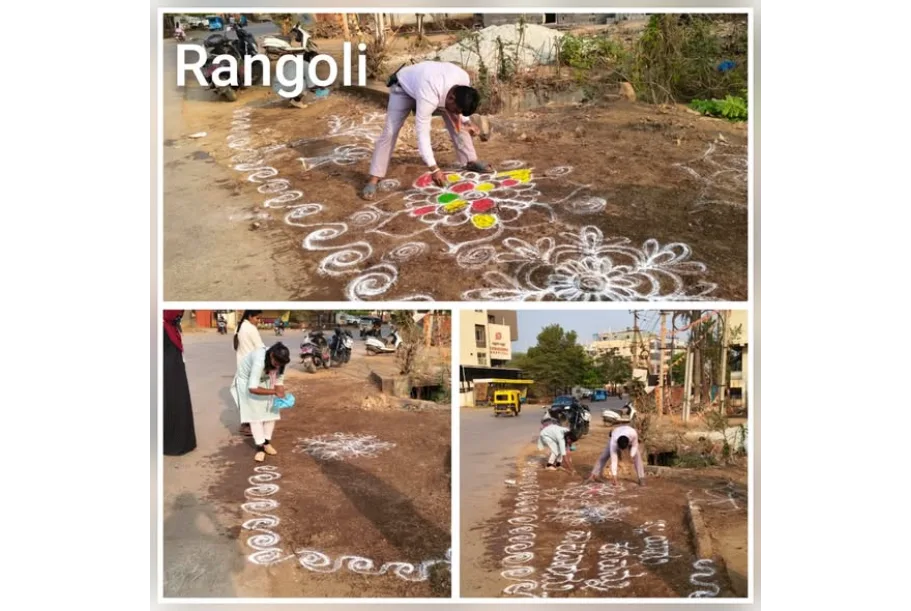 Hubballi Uses Rangoli Art to Eradicate Garbage Black Spot Near Tatvadarshi Hospital
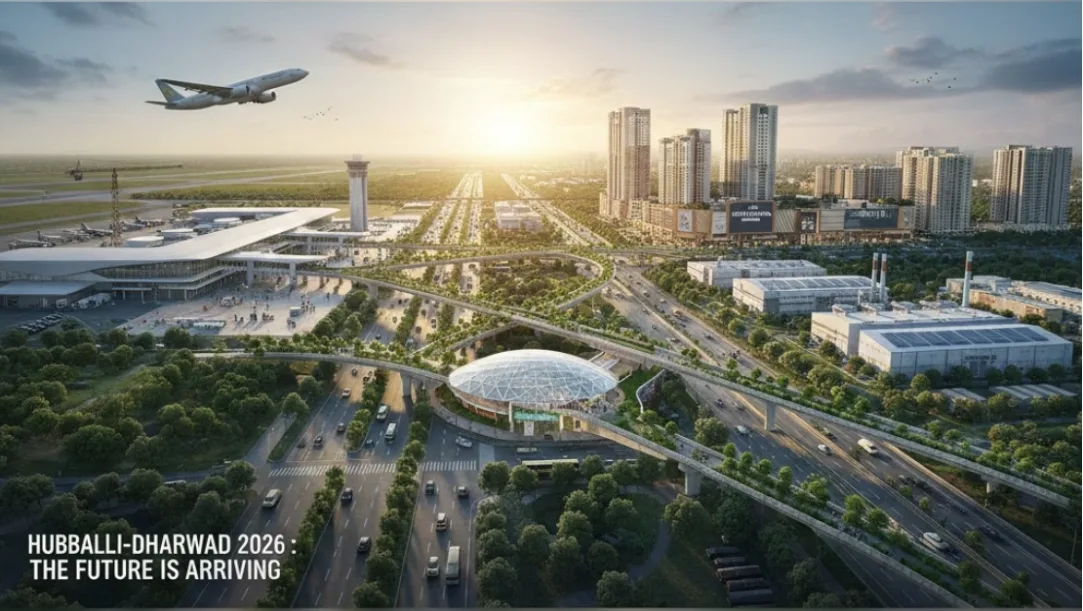 5 Massive Hubballi Projects to Generate 100,000 Jobs by 2026
 Hubballi Water Crisis: 100% Interest Waiver Proposed for 45,000 Bill Defaulters