
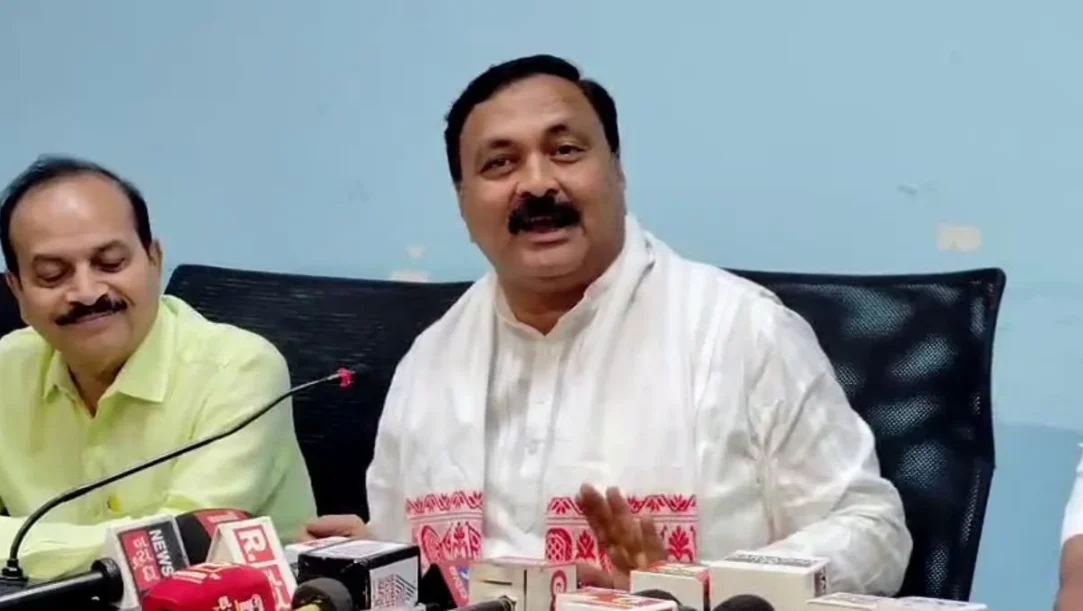
Hubballi MLA Mahesh Tenginakai made a fiery statement on July 6, 2026, and demanded that the Karnataka government release pending Gruhalakshmi scheme funds before making any voter list revisions. He accused the state of hiding alleged irregularities by staging a “beneficiary revision drama.”
Our sources confirmed nearly ₹5,000 crore from February and March 2025 installments remain unpaid to poor women. That figure represents thousands of households still waiting for relief. Tenginakayi said, “First clear the dues, then talk about reforms.” His words drew strong reactions across social media.
We talked to officials who admitted that no clear answer was given in the Assembly when questioned. The silence has fueled opposition claims of mismanagement. The MLA pointed to the CAG report, which flagged loopholes in guarantee schemes. He urged immediate corrective action against irregularities.
At the same time, Tenginakayi welcomed the Special Voter List Revision (SIR). He appealed to citizens: “No unauthorized names should remain. Eligible voters must participate and cooperate.” His dual stance—criticism of welfare delays and support for electoral transparency—set the tone for the meeting.
Numbers tell the story. ₹5,000 crore unpaid, 2 months of delay, and millions of women affected. Farmers and urban families alike are watching closely. Analysts say unresolved welfare payments could impact trust in governance by nearly 40% in affected districts.
With welfare arrears, CAG warnings, and voter list revisions all converging, July 2026 has become a critical moment for Karnataka politics. Citizens now await whether the government will act on Tenginakayi’s demand or continue to delay payments.
Stay updated with breaking local stories, civic developments, and Twin City updates in our Hubballi section.
From infrastructure projects to community news, PanAsiaBiz keeps you informed.
Related posts:
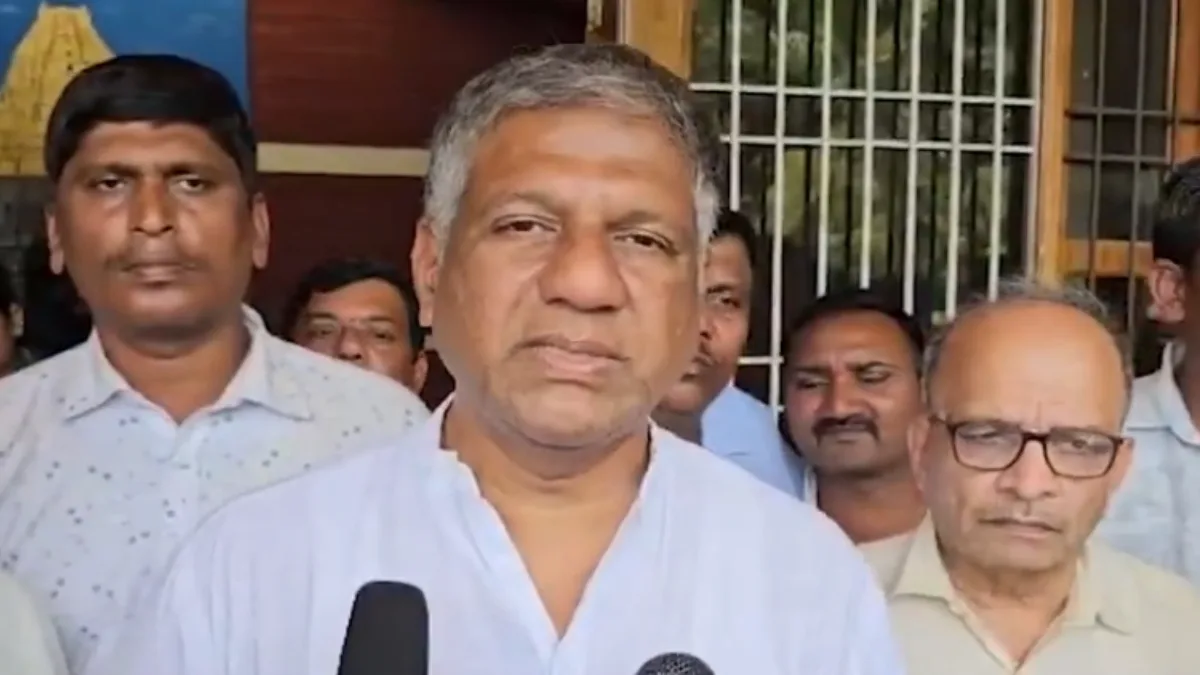 Dharwad MLA Arvind Bellad Slams KPSC Scandal in Viral Video
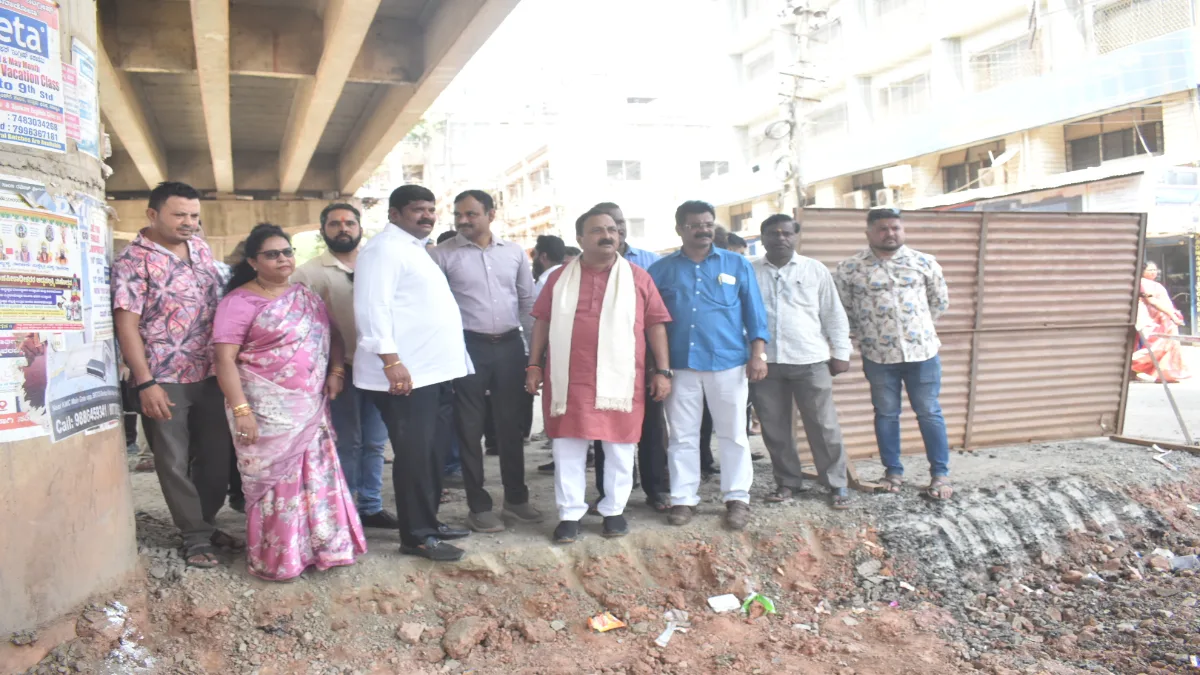 Hubballi Chennamma Circle Flyover Work Gets Fresh Deadline After MLA Site Visit
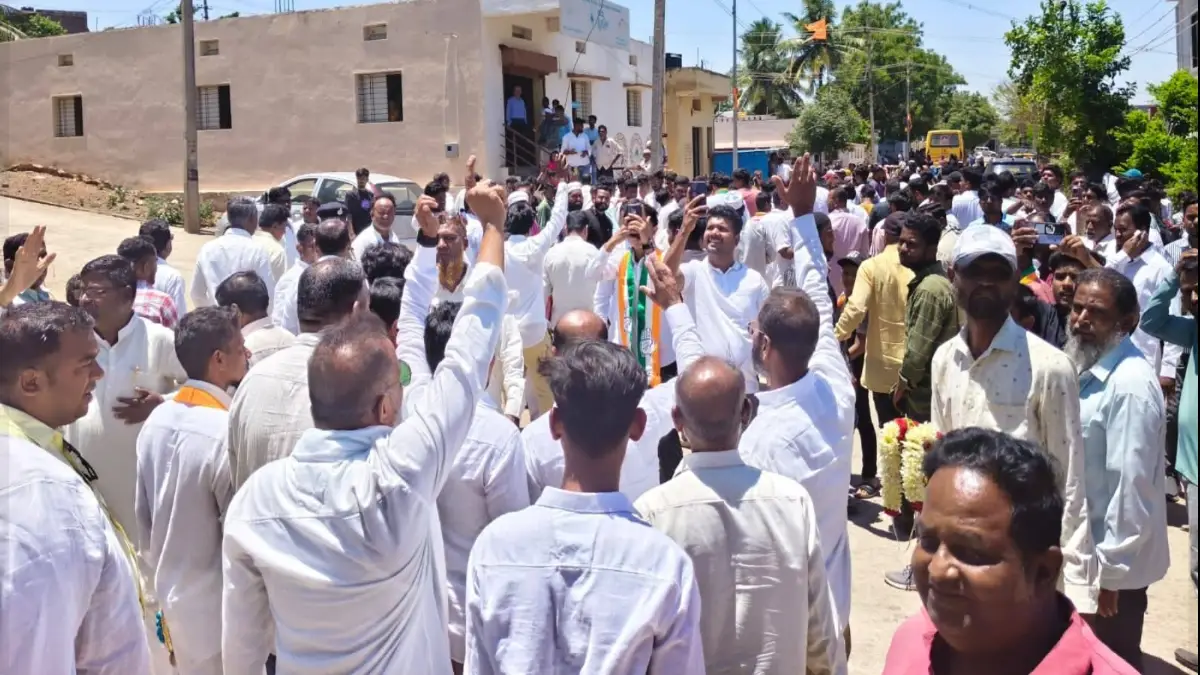 Belgaum MLA Asif Sait Draws 8,500 Supporters in Bagalkot and Davanagere Roadshows
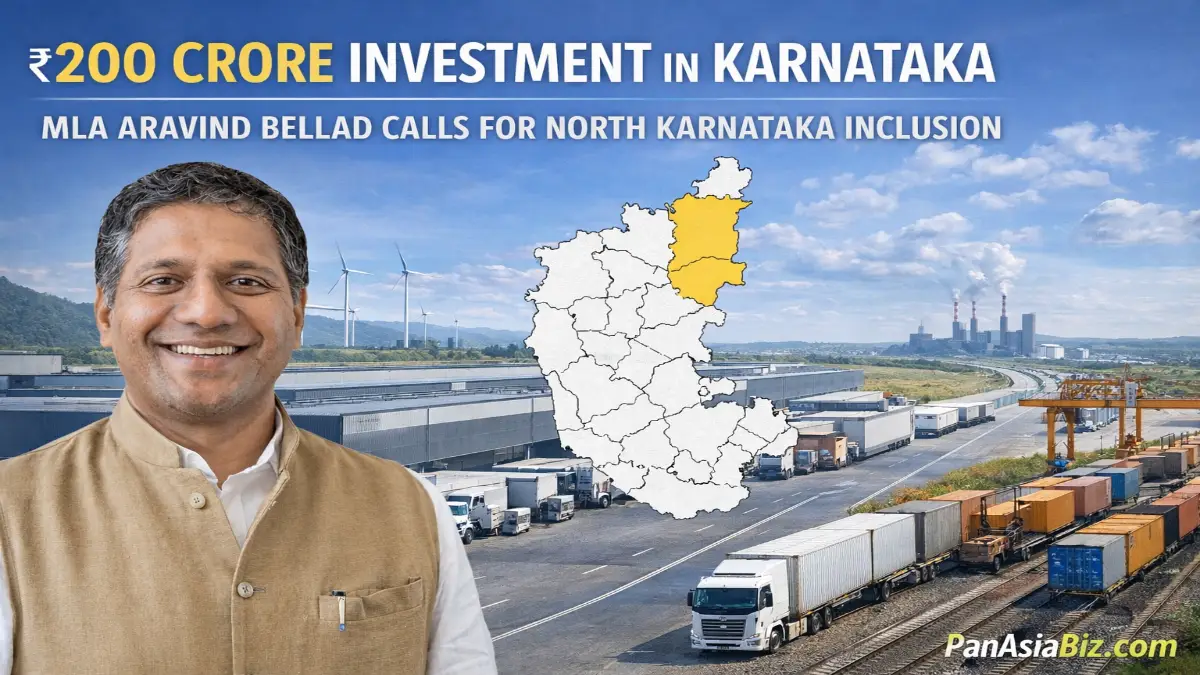 Dharwad MLA Aravind Bellad Welcomes TVS ILP’s ₹200 Crore Investment, Calls for North Karnataka Inclusion
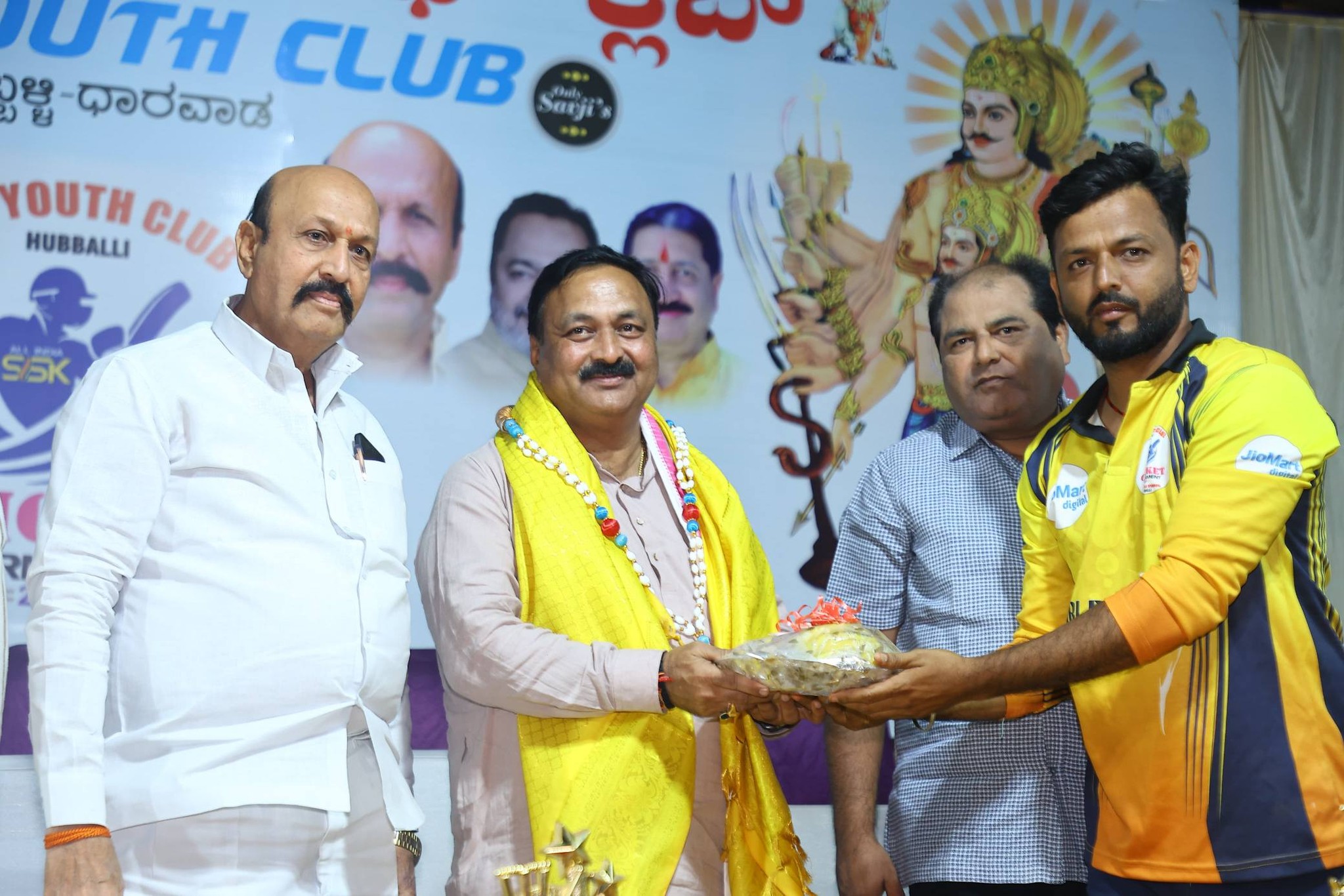 MLA Mahesh Tenginakai Awards Trophies at SSK Youth Club Cricket Finale
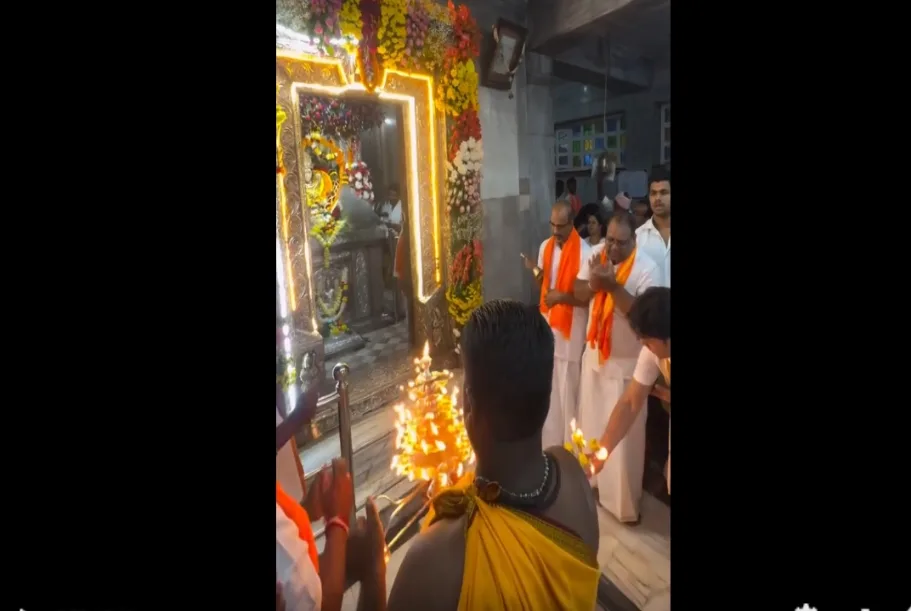 Maha Shivaratri 2026: Mahesh Tenginkai Offers Prayers at Siddharoodha Math in Hubballi
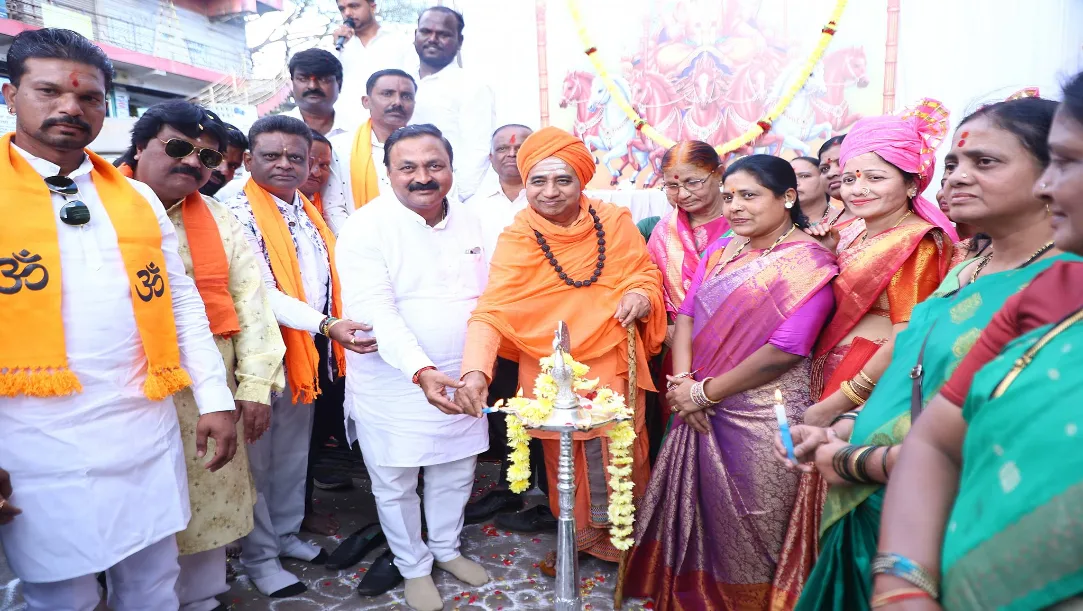 Hubballi Celebrates Rathasaptami: MLA Mahesh Tenginkai Inaugurates Surya Narayana Swamy Jayanti
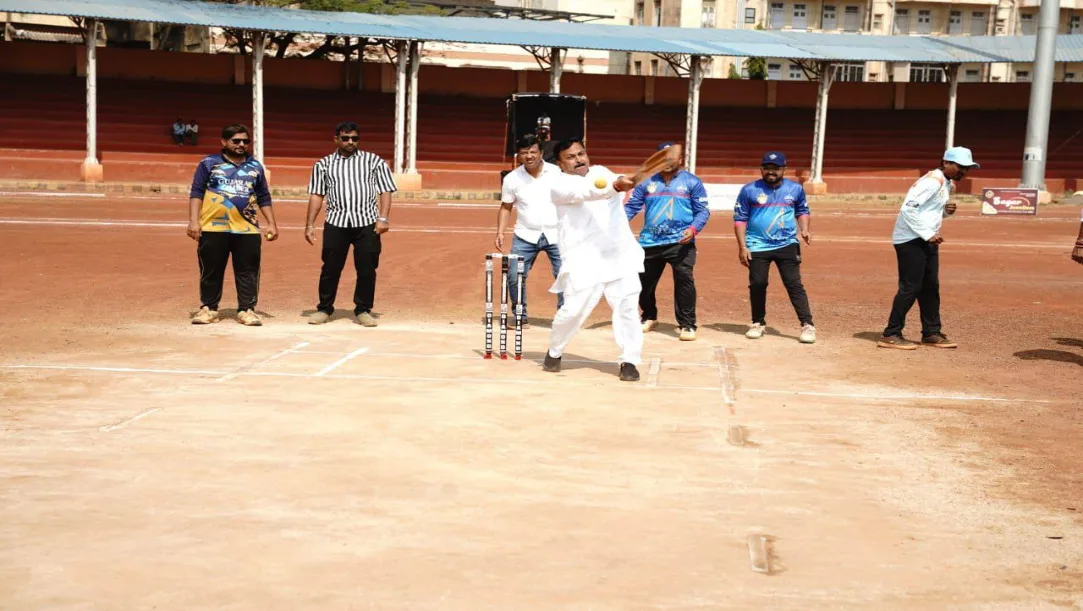 Hubballi MLA Mahesh Tenginakai Inaugurates 60-Yard Cricket League at Nehru Ground