
Small as it sounds, that visual change carries real weight for the advertising industry. A bigger, more eye-catching image at the top of a results page tends to pull more clicks — and if Microsoft rolls this out broadly, advertisers bidding on Bing keywords may need to rethink creative strategy fast, or risk getting outperformed by competitors who adapt first.
The test places an enlarged product or brand image directly beside sponsored text at the top of the search results page, well above where organic listings typically begin. According to Search Engine Watch, which published screenshots of the layout, the format appears distinct from a prior experiment Microsoft ran inside Copilot’s ad units last October, which also tested oversized imagery but in a different placement within the AI chat interface.
“This test looks different — it shows larger images specifically for sponsored ads sitting at the very top of the page,” Search Engine Watch reported.
Microsoft has not issued a public statement confirming the test or outlining its scope. That’s typical. Search engines routinely run limited, geographically staggered experiments — visible to some users and not others — before deciding whether to expand a format sitewide, and plenty of these trials quietly disappear without ever reaching general availability.
Still, this one fits a clear pattern. Bing has pushed out a string of ad-format experiments in 2026 alone: a Google-style “Sponsored results” grouping tested in December that bundled multiple paid links under one label, and a separate test in April that doubled the size of its sponsored product carousel in Shopping results. Search marketers tracking these changes say Microsoft appears to be chasing a specific target — Google, whose visually dense shopping and search ad formats have long set the industry benchmark.
Not everyone likes the direction. One search marketing analyst, reviewing the new large-image format, said it “doesn’t feel like a good fit” for a results page traditionally built around dense text and links — a critique echoing pushback Google faced after its own ad-grouping redesign drew complaints over accidental clicks.
For advertisers, the practical takeaway is straightforward, if Microsoft expands the format: image quality in ad campaigns is about to matter far more than it used to. Brands running Microsoft Advertising campaigns with outdated or low-resolution product photos could find themselves at a disadvantage the moment a bigger canvas becomes the norm.
Whether Bing moves this test into full rollout remains an open question. Microsoft typically confirms wider deployment through its Advertising blog and partner communications, and no such announcement has surfaced yet. Search marketers say they’re watching closely for the next signal.
Related posts:
 OpenAI Training Pause After Google, Bing, DuckDuckGo Blocks Fail to Hold Agent
 Private Claude Chats Exposed in Google and Bing Search Results After Link Leak
 Google Drops Mind-Blowing Gmail Live Voice Search to Instantly Read Your Messy Inbox Aloud
 Hackers Use Fake ‘Claude’ Ads to Hijack Macs and Steal Crypto!
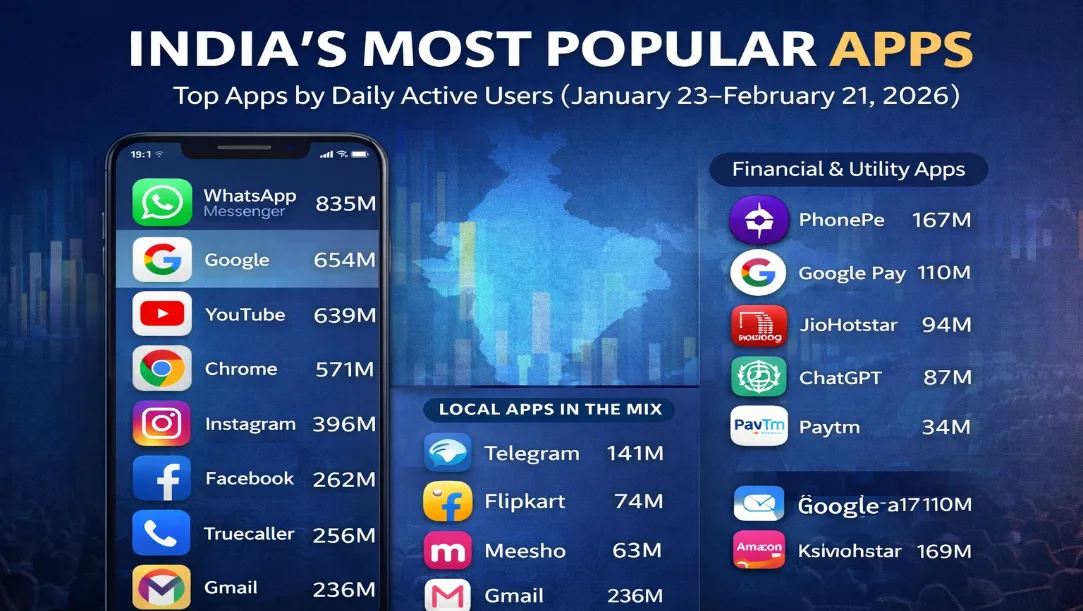 India’s Top 35 Apps of 2026: WhatsApp and Google Dominate Daily Usage
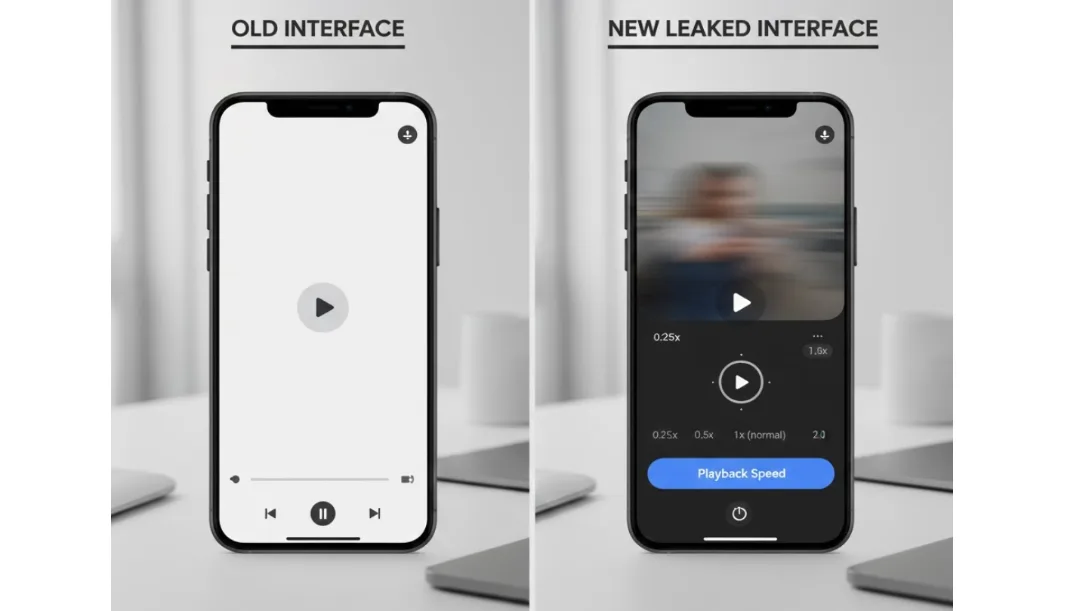 Google Photos Finally Tests Variable Video Playback Speed
 Top 5 Technology Leaked Videos of 2025 – Updated With 2026 Smartphone & AI Leaks
 Master Your Phone: 5 Essential Chrome Features (and the New 2025 AI Search) to Speed Up Your Browsing