

Google constantly tweaks its search algorithms, driving webmasters nuts. While Google posts updates on its Search Status Dashboard, it rarely gives real specifics. For anyone running a news site or blog, the worst part is waking up to an unexplained traffic crash during a rollout—like the November 2026 core update—and trying to guess why.
When SEOs diagnose an algorithm shift, they track how sites across different niches react. If high-traffic sites across competitive sectors drop at the same time, it is a broad core update. Checking which categories get hit—like e-commerce portals or review sites—tells you what Google’s filters are targeting.
Publishers usually piece this together by reading forum chatter, X threads, and SEO groups before changing their strategy.
What People Are Saying on Forums and X
Recent rollouts, including the late 2026 updates, have brought mixed reactions. Unlike past updates that sparked massive public outrage, these latest changes flew under the radar while webmasters waited for data to settle. Some affiliate sites crushed in earlier penalties are finally seeing traffic bounce back, while others are still hurting.
Google just upgraded Search globally with Gemini 4 Hydrogen right in the middle of the Nov 2026 Core Update.
AI Mode now breaks down complex, multi-part buyer questions automatically.
If your pages only target single keywords instead of deep workflows, you’re invisible. https://t.co/ZSLfR1Xv1S
— Niven Cross (@niven_Cross) November 16, 2026
Over on Black Hat World (BHW) and private forums, the mood is mostly upbeat. Several members reported traffic spikes after months of flat numbers. One user posted: *”This new update is the first update in past years for my websites to grow… traffic has increased 100%+ and keeps going up.”*
On X, however, it is the usual frustration. Site owners complain that big corporate brands and Reddit dominate every search result, while independent publishers get pushed down.
Balancing Core Tweaks and Spam Filters
Core updates change how Google ranks content based on keywords and E-E-A-T, sometimes accidentally pushing low-quality pages back to the top. To fix that, Google usually pairs its broad rollouts with anti-spam updates to catch manipulative sites without punishing genuine human-written work.
The best defense against algorithm shifts is simple: write genuinely helpful content, skip the AI fluff, fix your site speed, and ignore quick-fix SEO tricks.
Related posts:
 Google November 2026 Core Update: What SEOs and Publishers Need to Know
 GTA 6 Launches November 19 on PS5 and Xbox
 GTA 6 stays off PC on November 19 after Xbox closes the cloud door
 Google I/O 2026: AI Breakthroughs, Android 17 & Gemini Updates
 Google Labs Flow Updates 2026: A Unified AI Creative Workspace
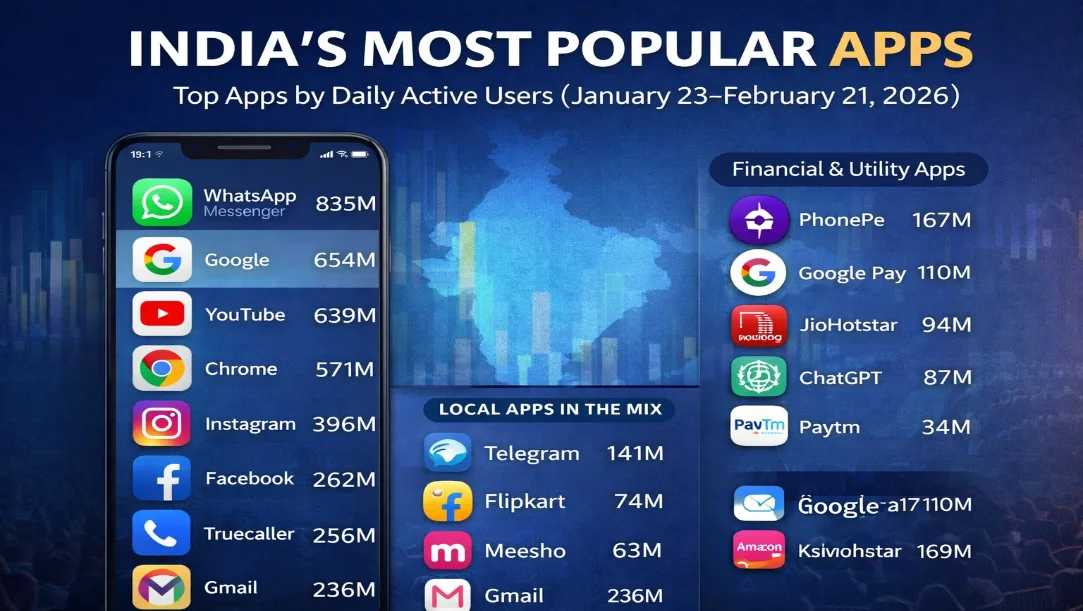 India’s Top 35 Apps of 2026: WhatsApp and Google Dominate Daily Usage
 Google Chrome Just Levelled Up: 7 Massive Gemini AI Updates That Will Change How You Browse Forever
 Top 10 Android Apps of 2025: Official Google Play Award Winners to Download for 2026

Leave a Reply