
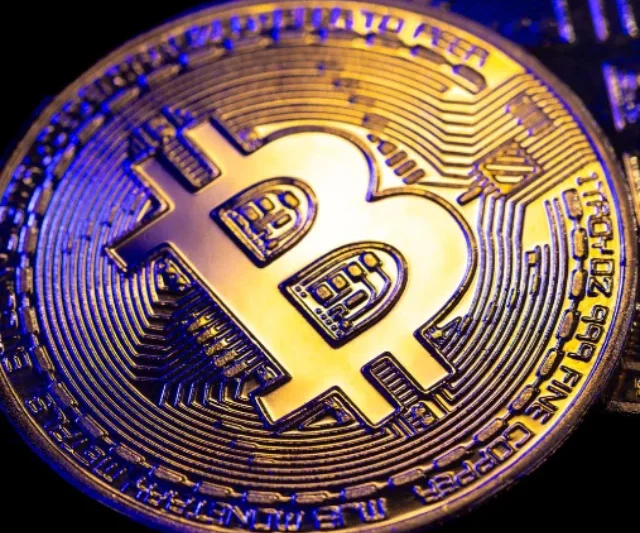
Most provisions take effect September 1, 2026. Russians will finally be able to buy and sell approved cryptocurrencies through licensed platforms under Central Bank supervision.
Why Russia Passed This Law Now
Sanctions tied to the Ukraine conflict cut Russia off from Western dollar and euro payment systems. Crypto trading offered a workaround, and it grew fast, mostly outside any legal framework.
Chainalysis data shows Russia now ranks as Europe’s largest crypto market by transaction volume. The Finance Ministry estimates domestic trading runs around 50 billion rubles a day, close to $650 million.
What the Law Actually Covers
The nearly 300-page document passed the State Duma on July 21 and cleared the Federation Council three days later. It regulates a wide range of crypto activity:
- Licensed crypto exchanges and digital depositories
- Trading, custody, and accounting of digital currencies
- Crypto mining operations and rules
- Issuance of digital financial assets (DFAs)
- Broker, clearing house, and management company standards
Direct crypto payments for goods and services stay banned inside Russia. Foreign trade contracts and inter-market settlements get exceptions, though.
Which Coins Qualify First
Only the biggest, most liquid coins make the cut initially. A cryptocurrency needs an average market cap above 5 trillion rubles, roughly $64 billion, over the past two years.
Daily trading volume must top 1 trillion rubles, or about $12.8 billion. Central Bank First Deputy Governor Vladimir Chistyukhin confirmed just three assets currently clear that bar: Bitcoin, Ethereum, and Tether’s USDT.
Regulators added guardrails alongside the new access. A 48-hour “cooling-off” period will apply to wallet-to-wallet and wallet-to-fiat transfers.
Russian banks can block any crypto transaction they flag as risky. Investors also face mandatory suitability testing before they can trade, split across two qualification tiers.
Related posts:
 Iranian Pirate Tolls: Paying $2 Million in Crypto Just to Sail Through Hormuz
 $47M Bitcoin Disappears From South Korean Prosecutors’ Custody in Stunning Crypto Mishap
 Spain To Enforce Strict Crypto Rules In 2026: What Every Investor Needs To Know
 Oslo Airport Goes Crypto: Travel Retail Norway Now Accepts Bitcoin via Lightning Networ
 B300 Million Crypto Bust: Thai DSI Links 7 Mines to Chinese Scammers
 China Declares War on Crypto Again — Stablecoins in the Crosshairs